The maximum allowed values on floors are ≤ 1kN for point loads and ≤ 2 kN/m² for surface loads.
The maximum allowed diameter of heating pipes is 12 mm.
Thin-layer underfloor heating on step-resistant insulation layer or separating membrane
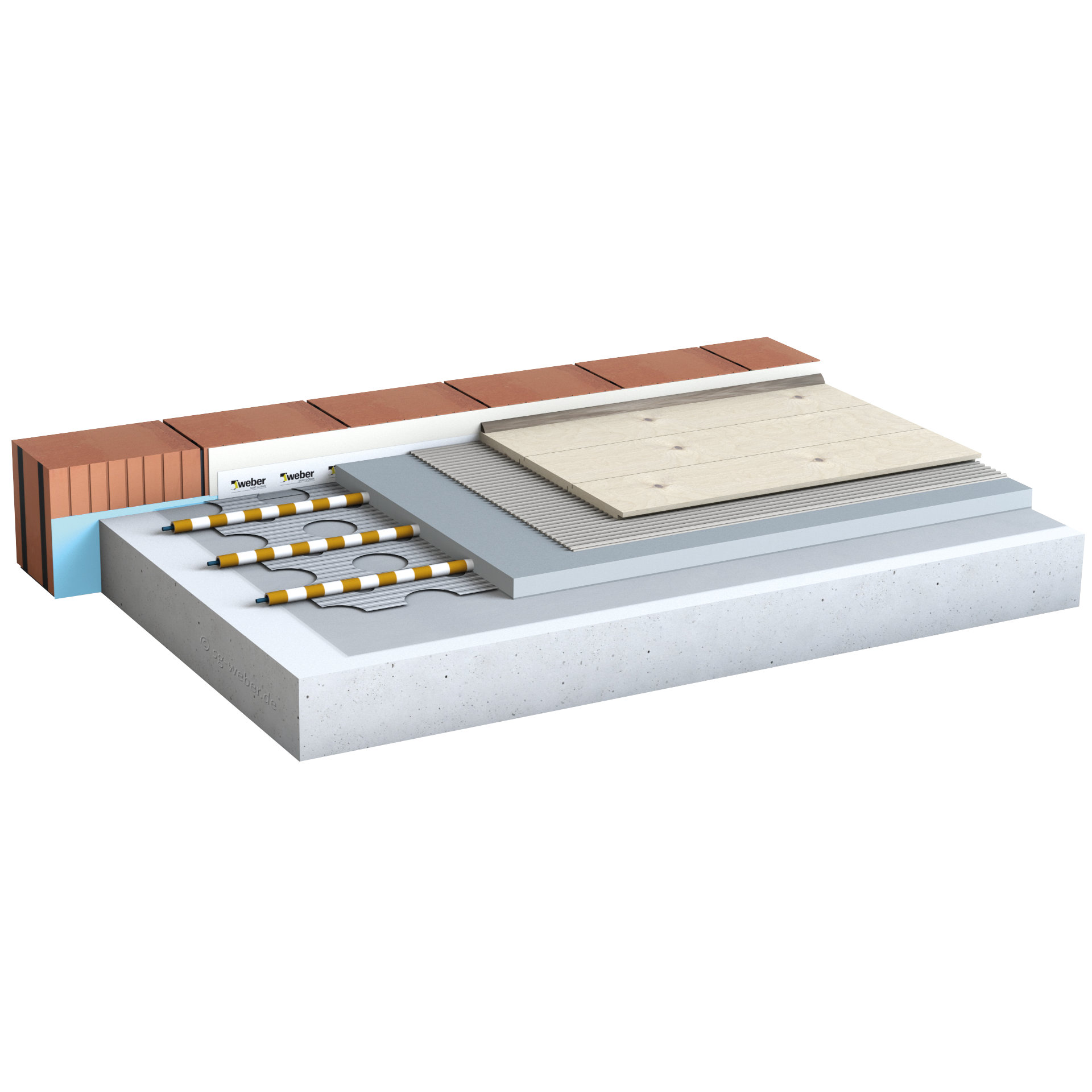
Thin-layer anhydrite screed weber.floor 4190 on warm water underfloor heating with a step-resistant insulation layer or separating membrane.
The thin-layer underfloor heating constructions described in this recommendation sheet are special designs. Therefore the screed thicknesses may deviate from the minimum layer thicknesses specified in standards.
Load-bearing construction
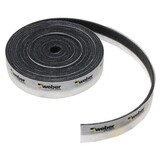
Acoustic insulation strip
weber.floor 4960
weber.floor 4960 consists of impregnated glass fiber mesh, wrapped in PE foil.
Step-resistant insulation board or separating membrane
Warm water underfloor heating
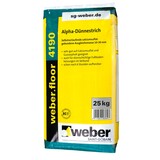
Thin-layer anhydrite screed
weber.floor 4190
Self-levelling, calcium sulphate-based, levelling compound for thicknesses 10 - 30 mm
Glue for flooring weber.floor
New top layer
Due to the long-lasting flow inside the heating elements, a restless surface will be given. Its smoothness is sufficient for laying ceramic tiles and parquet; for laying elastic floorings it is however recommended to level out the surface with an appropriate smoothing mortar (for ex. the anhydrite smoothing mortar weber.floor 4095).
Note that thin hairline cracks can occur due to the building geometry or the substrate condition. These cracks represent an optical failure and have no detrimental influence on the bonding strength and load-bearing capacity of the floor.
For laying ceramic tiles use the flexible cement-based adhesive weber.xerm 858 or the flexible cement-based flow-grade adhesive weber.xerm 860 F. For laying other floorings (PVC, carpets, etc.) use an appropriate glue weber.floor.