DIN 18533 expanded to include FPD waterproofing systems
Düsseldorf, June 2026 – DIN 18533, the standard governing the waterproofing of structural elements in contact with the ground, has undergone a significant expansion and now also includes “FPD – flexible polymer‑modified thick coatings”. This update reflects the changing requirements and evolving practices within the construction industry.
Key changes at a glance
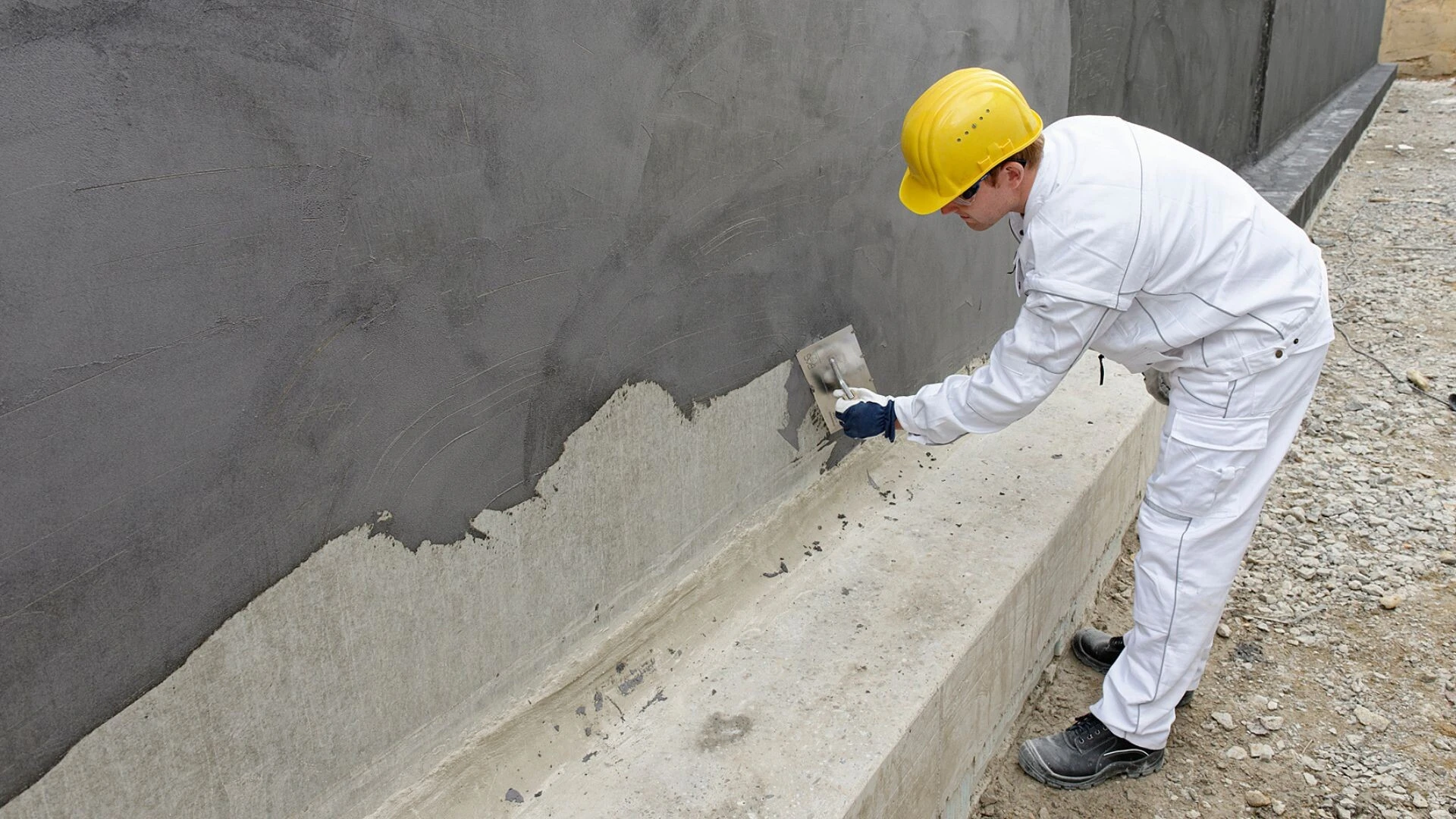
One of the key changes is that Parts 1 and 3 of the standard have been expanded to include flexible polymer-modified thick coatings (FPD) within the waterproofing systems category. In addition to bitumen-based waterproofing systems and sheet waterproofing membranes, the standard now also covers this product category. As with other waterproofing systems, the requirements for FPD are based on the respective water exposure classes W1‑E to W4‑E.
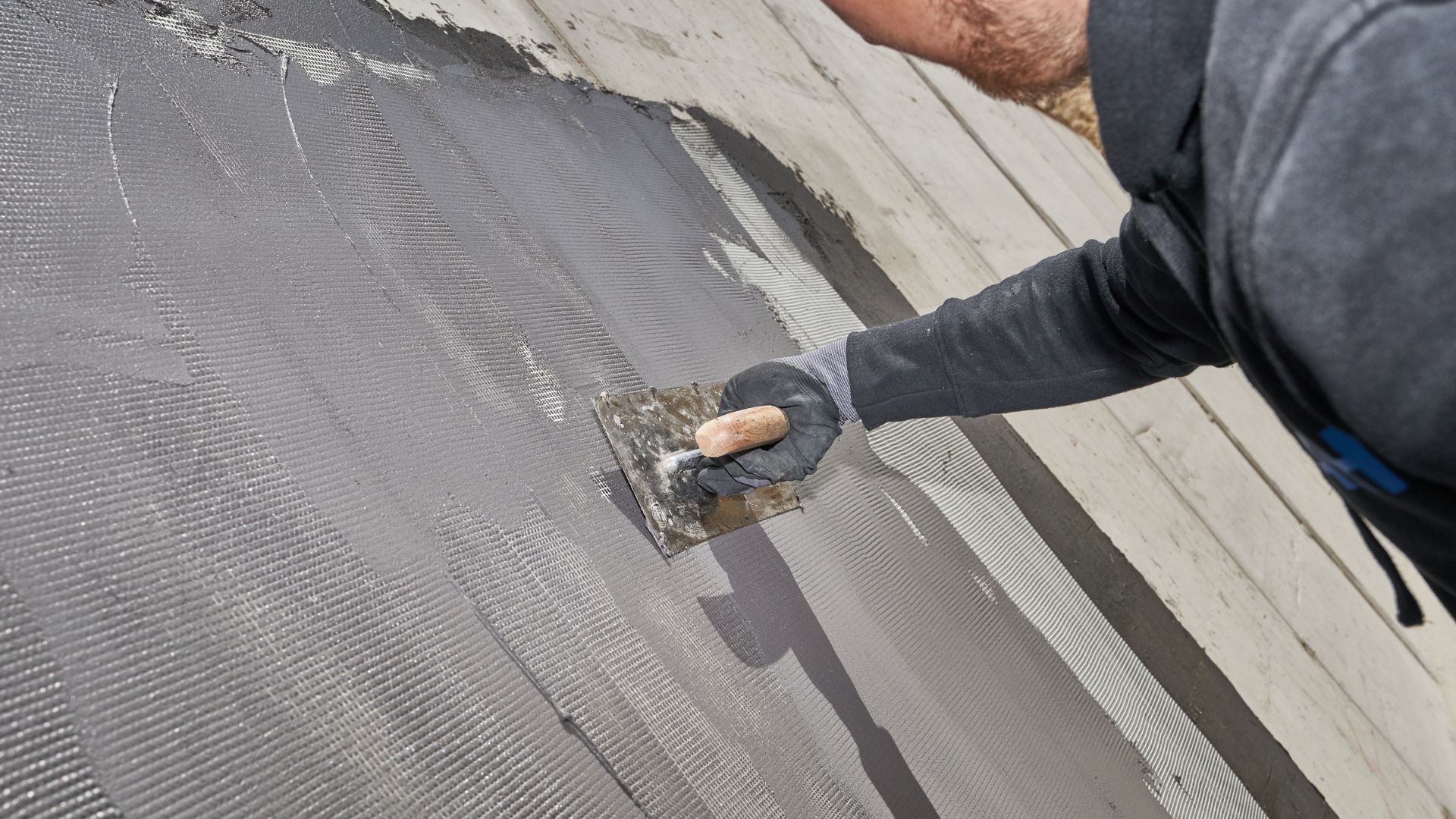
In the future, two-component polymer-modified thick coatings may also be used for structural waterproofing against pressurised water, eliminating the need for a special agreement. According to the standard, one-component FPD products are only approved for use with ground moisture and non-pressurised water. Installation of a reinforcement layer under pressurised water conditions, as previously recommended by Saint-Gobain Weber, is now mandatory for FPD systems under the revised standard. Additionally, the crack and crack-bridging classes have been consolidated.
Simplified conditions for waterproofing applications
David Böcker, Head of Product Marketing at Saint-Gobain Weber, welcomes the new standardised framework conditions: "We see the revision of the standard as an important step forward for practical application. It provides legal certainty for specialist contractors and is also supported by the industry associations." The expansion of the standard means that, when using FPD systems, planners and developers are no longer obliged to indicate that a non-standard waterproofing method is being used.
Advantages, particularly in renovation projects
In practical application, FPD systems also offer numerous additional advantages. They are efficient to apply, rapid‑setting, and can be painted or rendered over, eliminating the need to change materials in plinth areas. Products such as the bitumen-free thick coating weber.tec Superflex D 24 and weber BaseGuard are also ideally suited for waterproofing floor-to-ceiling window connections.
"The role of FPD systems in building renovation projects is particularly important", says David Böcker. "Thanks to their flexibility and adaptability to project-specific conditions, they have proven especially valuable wherever bespoke solutions are required." Furthermore, due to their versatile properties, FPD systems can be used efficiently for internal basement waterproofing.
In line with the revision of the FPD guideline, WTA Guideline 4-6, which covers the subsequent waterproofing of below-ground structural elements, has already been updated to reflect the new provisions of the standard.
Practice‑oriented online seminars
In a one-hour online seminar, Andy Boedecker and Stefan Kölling from Weber Application Engineering will explain the impact of the revised standard on day-to-day construction site practice.
The following dates have already been scheduled:
Monday, 15 June, 10:30 am – 11:30 am
Register now!
Tuesday, 30 June, 3:00 pm – 4:00 pm
Participation in the seminars is free of charge.