Tile-laying tools: why the right tools make all the difference

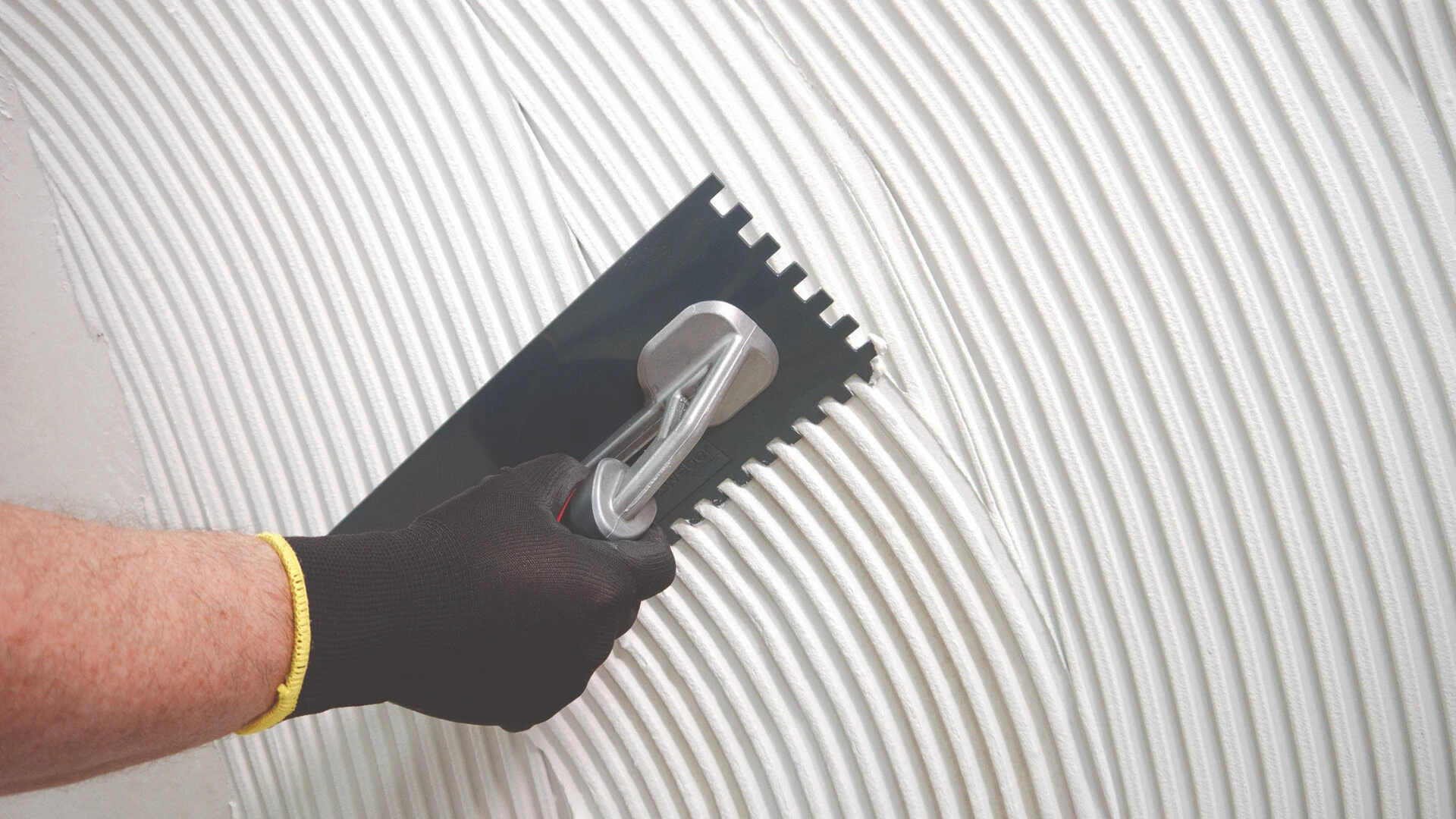
Detailaufnahme Zahnkelle beim Aufkämmen von Fliesenkleber weber.xerm 854

At Weber, we develop system solutions for construction chemicals, tile installation, and structural waterproofing. Our aim is always to make your work simpler, safer, and more efficient. The demands placed on construction sites continue to grow, with larger tile formats, tighter schedules and increasing performance pressure becoming the norm. Alongside high-performance materials, the tools used for tile installation are playing an increasingly crucial role. In this article, we explain why selecting the appropriate tools is more important than ever and demonstrate how you can benefit from doing so.


Overview:

1. Why tools are becoming increasingly important in tile installation

2. How high-quality tools can improve efficiency and ergonomics

3. The role of notched patterns and notched trowels

4. Which innovations really help professional tilers to progress

5. How modern tool solutions can make work on site easier

1. Why choosing the right tools for tile installation is crucial

Construction sites have changed. Large-format tiles, new substrates and ever-higher quality requirements have become part of everyday practice. At the same time, time is often in short supply, and skilled labour is becoming increasingly scarce.

This is precisely why tools play such a crucial role in tile installation: they are much more than just aids. They directly impact how quickly you can work, how clean the finished result is, and how much physical strain your body undergoes.

A good tool helps you to deliver a consistently high-quality standard, even when you're under time pressure. It helps you to avoid mistakes and standardise work processes. This saves time and spares you unnecessary stress and frustration.
2. The importance of the right tools for efficiency on site

Efficiency is not solely achieved through speed – it stems from smooth, well-coordinated workflows. And this is precisely where the right tools come into play.

Ergonomically designed tools ensure:

  • reduced strain with every movement
  • more efficient application of materials
  • precise, uniform results
  • minimised rework and corrections

In practical terms, this means that even small advantages quickly add up to significant time savings when you lay several square metres every day. At the same time, physical strain is reduced, which is an important factor for long-term health.

3. The notched trowel: why the size of the notch influences the result

One aspect that is often overlooked is the size of the notch on the notched trowel. However, it directly impacts the quality of the tile installation.

The right notch pattern is essential for:

  • adhesive bed thickness

  • full contact with the underside of the tile

  • reliable adhesion and service life

  • efficient use of materials

If the notches are too small, the bond strength may be compromised. Conversely, if they are too large, material consumption increases unnecessarily. Therefore, the decisive factor is the right combination of tile format, substrate and adhesive.

When installing large-format tiles in particular, it is essential to ensure that the adhesive is distributed uniformly and reliably. This is where precise, high-quality tools can make all the difference.

4. New tools for tilers: ergonomics becomes the standard

Modern tool innovations for professional tilers now extend far beyond traditional functions. The focus is increasingly on ergonomics and ease of use, which helps to reduce physical strain and enables more efficient, precise and comfortable work on site.

This can be seen, for example, in the following:

  • lighter-weight materials
  • improved grip and handling
  • reduced vibrations and noise
  • optimised power transmission
  • a lower risk of injury

These developments have one clear goal: to make your day-to-day work much easier. After all, less physical strain means greater comfort and higher productivity, particularly over long working days.

5. Comfort Engineered: working ergonomically with a system

In our article on Comfort Engineered, we demonstrated the importance of ergonomic system solutions. A key part of this approach is selecting the appropriate tools.

Efficiency does not come from individual products alone. Rather, it emerges when materials, tools and applications work together seamlessly.

Modern tools are designed to:

  • streamline workflows, making them calmer and more controlled
  • reduce strain on the body during repetitive movements
  • support consistent, high-quality results
  • adapt flexibly to a wide range of applications

This creates real added value, especially when combined with coordinated system products: materials and tools work together seamlessly. This ensures greater application reliability and a consistent, streamlined workflow.

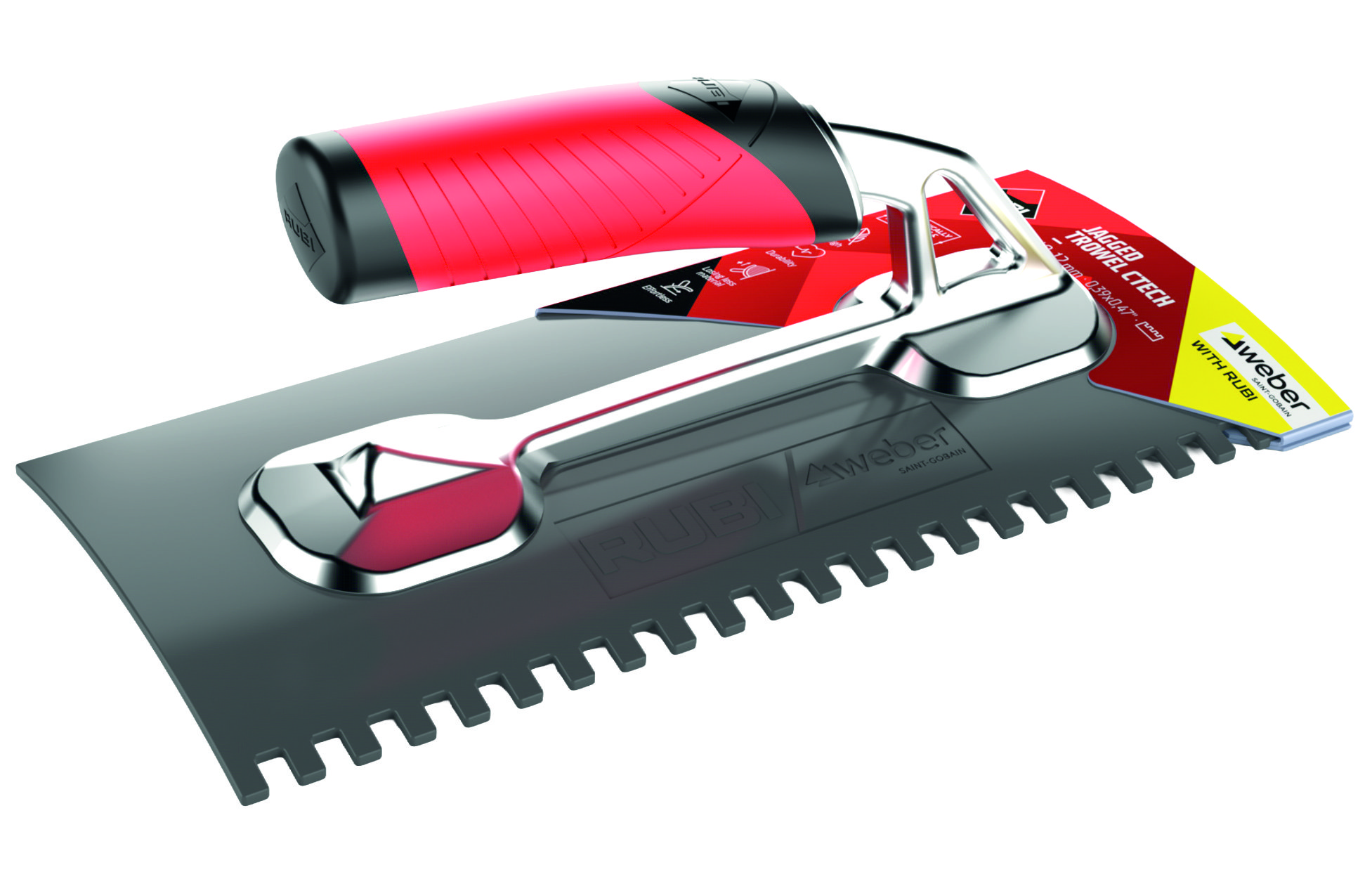
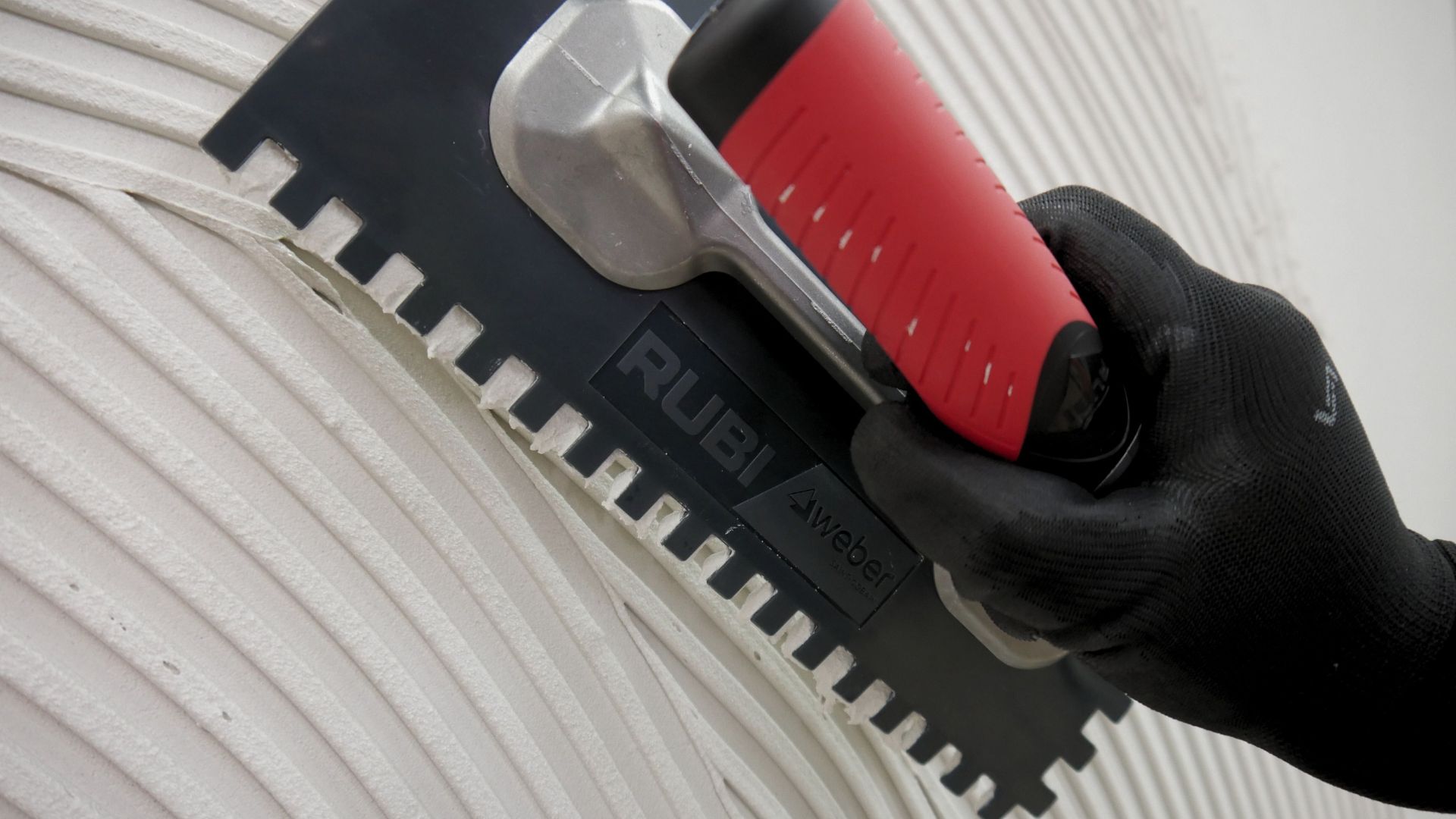
The weber.sys Comfort Notched Trowel

This is precisely the area in which the weber.sys Comfort Notched Trowel comes into its own. It has been specially developed for use with Comfort adhesives – in other words, super-lightweight, high-yield and creamy, flowable adhesives.

The goal is to achieve a uniform application with less physical effort, which is perfectly matched to the properties of modern adhesive systems.

What this means in day-to-day work:

  • up to 48% less effort is required when spreading the adhesive

  • it is around 10% lighter than comparable tools.

  • plastic notches ensure a smoother, more even application

  • working is quieter and cleaning is easier as a result

  • material loss is reduced thanks to controlled adhesive distribution

  • the well-thought-out design ensures comfortable handling

  • different notch options allow for a wide range of applications

The weber.sys Comfort Notched Trowel is available in three different notch sizes (6 x 8 mm, 8 x 10 mm and 10 x 12 mm), enabling precise matching to the tile format, substrate and adhesive used.

There are two handle options: an open Flex handle and a closed wooden handle. These ensure secure handling depending on personal preference and area of application.

The practical focus is evident even in the finer details:
With no sharp edges, corrosion-resistant materials and long service life, the notched trowel is a robust and reliable tool for everyday use on site, reducing the risk of injury.

7. FAQs: frequently asked questions about tile-laying tools


Because they directly impact quality, speed and physical strain. The right tools enable more efficient workflows, support cleaner and more precise results, and reduce the physical effort required for daily tasks. In short, good tools help you work faster and achieve better outcomes while protecting your body.

Using the right tools saves time, reduces physical effort and minimises errors. This creates smoother workflows, reduces the need for rework and produces more reliable results, enabling you to work faster and more cost-effectively on site.

The size of the notch determines the amount of adhesive applied, which directly influences bond strength. Selecting the correct notch size ensures reliable adhesion and a secure, even tile installation.

Because they are designed to be ergonomic and precise. This reduces the need for rework, minimises errors, and significantly alleviates physical strain, enabling you to work more efficiently and sustainably in the long term.

It is lighter and sits more comfortably in the hand, allowing adhesive to be applied evenly and consistently with significantly less physical effort. This improves control during application, reduces strain and helps to achieve cleaner and more reliable installation results.

They are primarily designed for installing wall and floor tiles, particularly large-format tiles and on challenging substrates, where precise adhesive application, reliable bonding and ergonomic handling are essential.

Plastic notches provide a smoother performance, reduce noise levels on site and minimise the risk of cuts and injuries. They also ensure more even and controlled adhesive distribution, supporting consistent application quality while reducing physical strain during use.

Would you like to make your workflows on site more efficient and ergonomic? Then it pays to think of systems – and to combine materials, tools and application into a coordinated solution capable of withstanding the realities of everyday work on site. Talk to us or visit a specialist retailer to find out more about our system solutions and perfectly matched tools.

You can find all the key information you need about our tile adhesives, weber.xerm 843 and weber.xerm 854, on our dedicated highlight page.