Car park refurbishment: durable concrete repairs with shorter project times
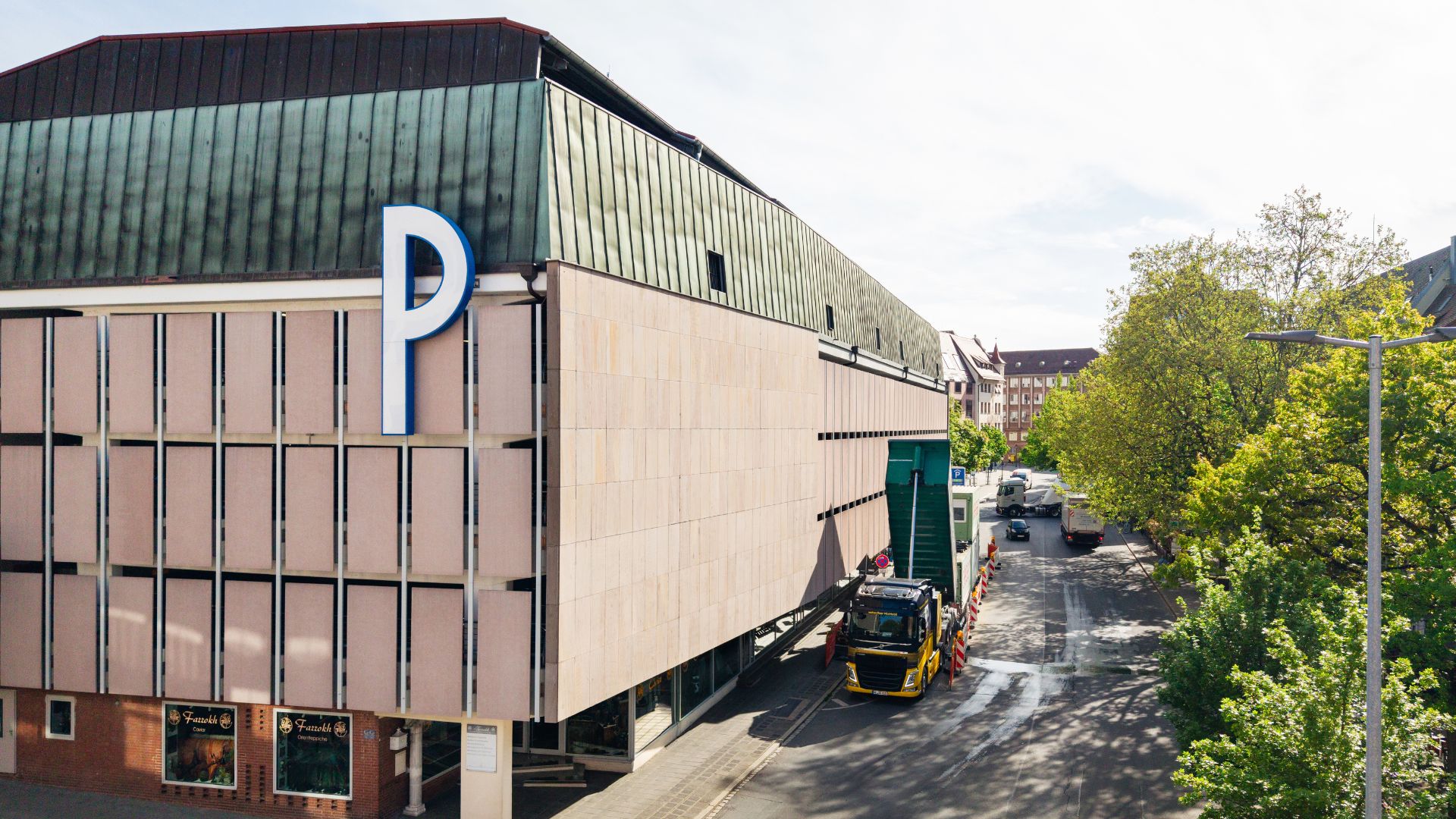
Multi-storey car parks and underground garages are among the structures within our infrastructure that are under the most stress. Concrete is exposed to traffic loads, moisture, freeze-thaw cycles and de-icing salts every day. To ensure long-term structural integrity, safety and cost-effectiveness, professional car park refurbishment is therefore essential.
The same question always arises for contractors, planners and operators alike: How can concrete damage be permanently repaired while keeping project times to a minimum?
In this article, you will learn how concrete damage develops in multi-storey car parks and underground garages, when refurbishment is necessary and how to provide long-term protection for concrete structures while significantly reducing project times.
Cracks, spalling and rust staining are typical forms of concrete damage resulting from the interaction of several factors. These include moisture penetrating the concrete, mechanical loads placing continuous stress on the structure and aggressive substances, such as de-icing salts, attacking the surface.
Particularly critical is the ingress of chlorides. At the same time, the concrete’s natural protective properties can be reduced by carbonation. Once the reinforcement is reached, corrosion begins – a process that initially remains invisible but can ultimately lead to severe structural damage.
During winter, large quantities of de-icing salt are brought into multi-storey car parks and underground garages by vehicles. The resulting salt-laden water then penetrates the concrete and transports chlorides to the reinforcing steel.
There, the chlorides break down the protective passive layer of the steel. In the presence of moisture, corrosion begins. The resulting corrosion products (rust) expand, which creates internal tensions in the concrete that can lead to cracking and spalling.
A car park refurbishment is necessary as soon as any of the following types of damage occur:
cracks in the concrete
spalling and exposed reinforcement
rust staining
damaged coatings
moisture-related damage
It is essential to carry out regular condition assessments in order to identify damage at an early stage and implement appropriate remedial measures before more extensive deterioration occurs.
A durable car park refurbishment is based on a holistic approach.
The most important measures include:
damage assessment and structural evaluation
protection of the reinforcing steel
professional concrete repair
application of suitable surface protection systems
waterproofing measures against moisture ingress
crack repair, where required
To ensure the long-term durability of the structure, all measures must be properly coordinated. To ensure reliable performance, seamless compatibility and lasting protection, it is equally important to use a fully compatible system solution with products sourced from a single provider!
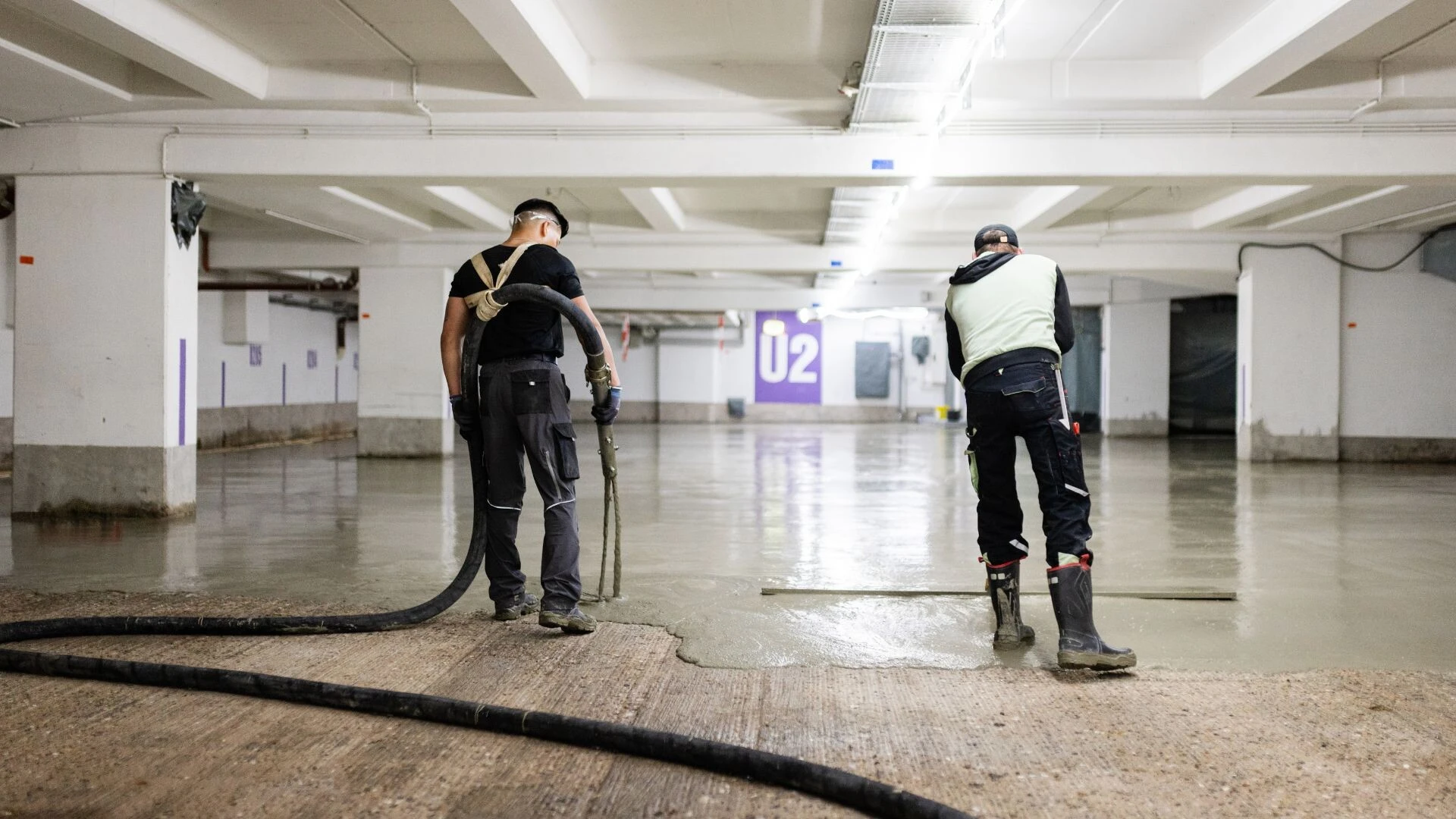
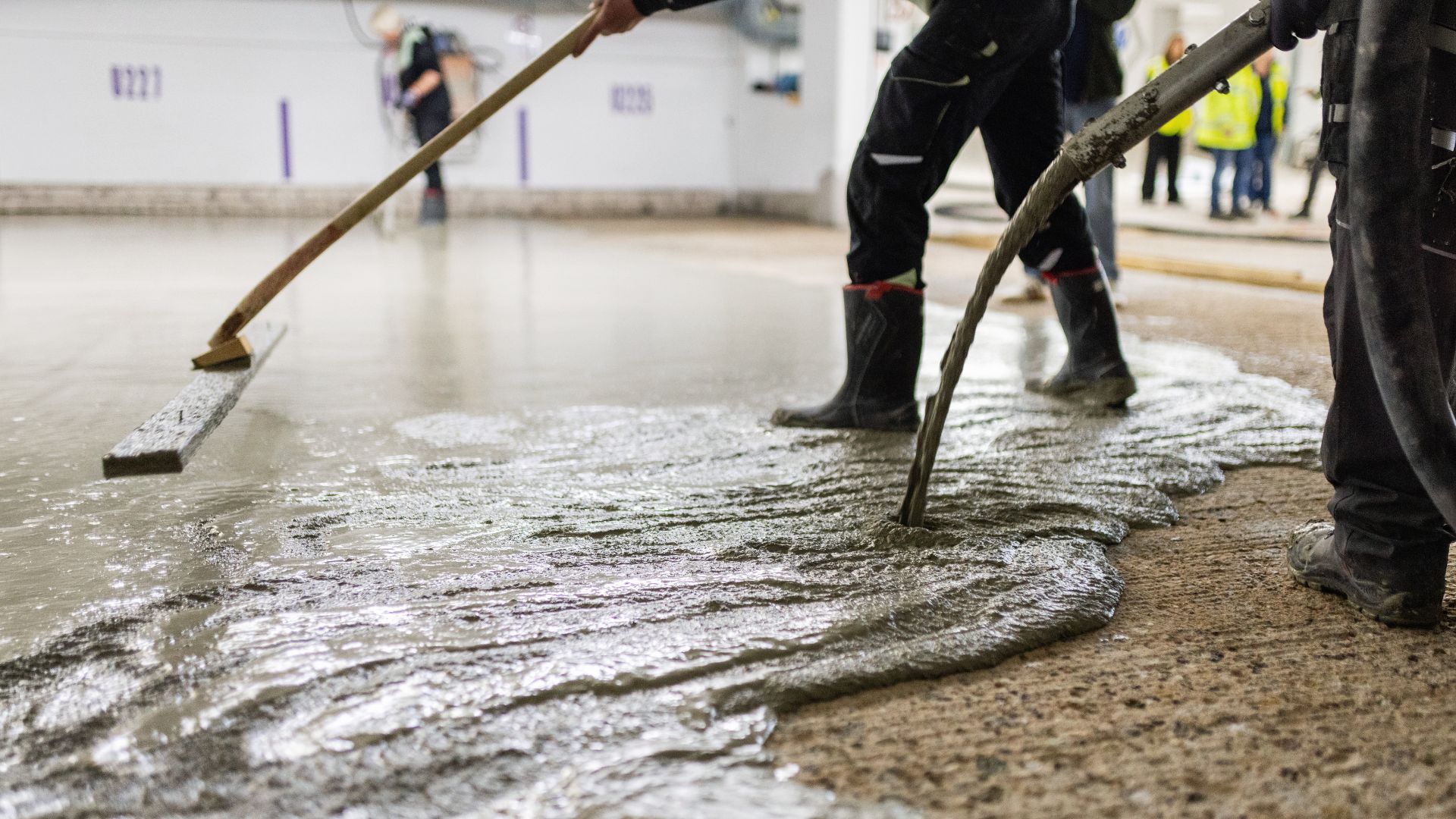
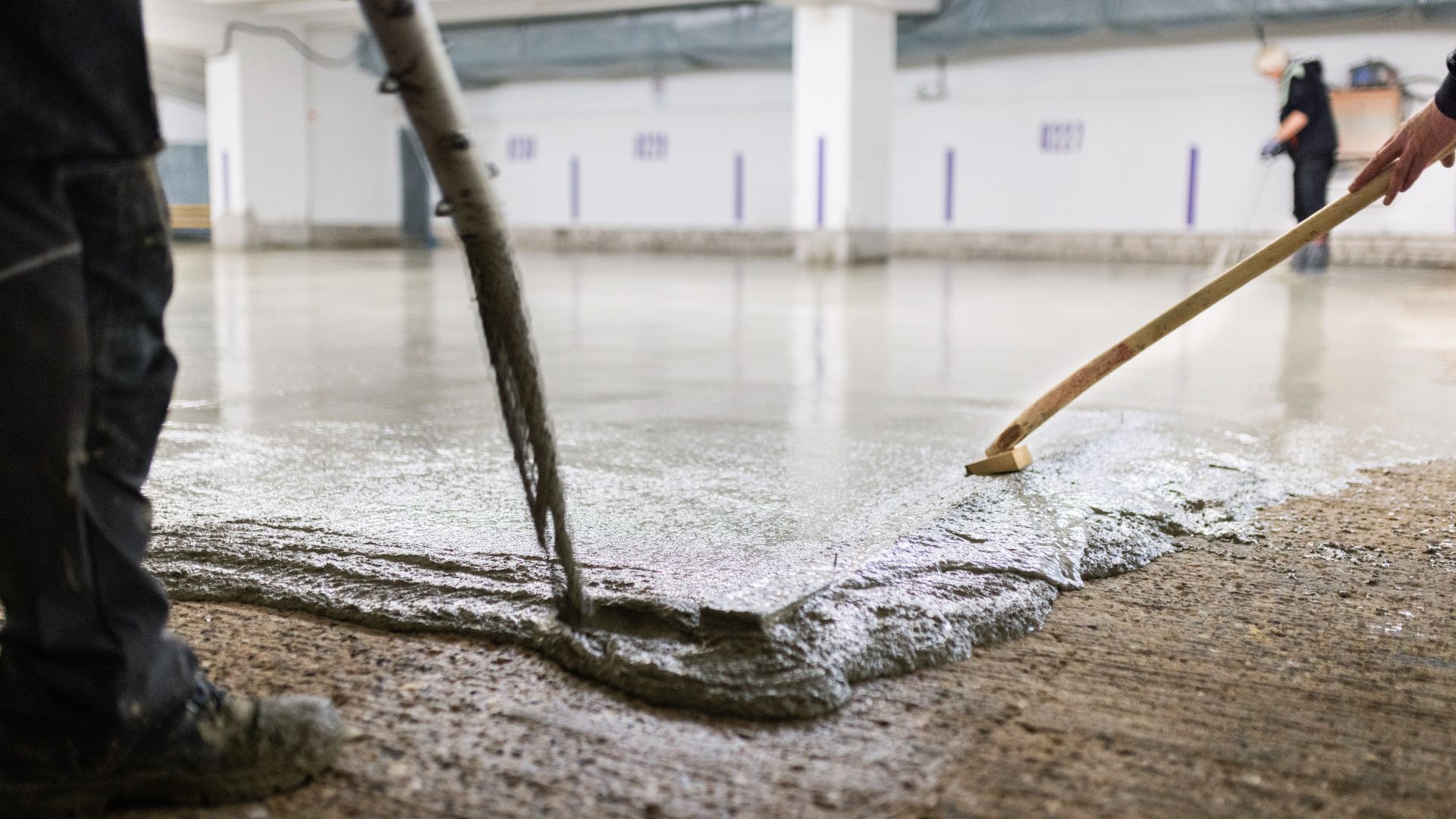
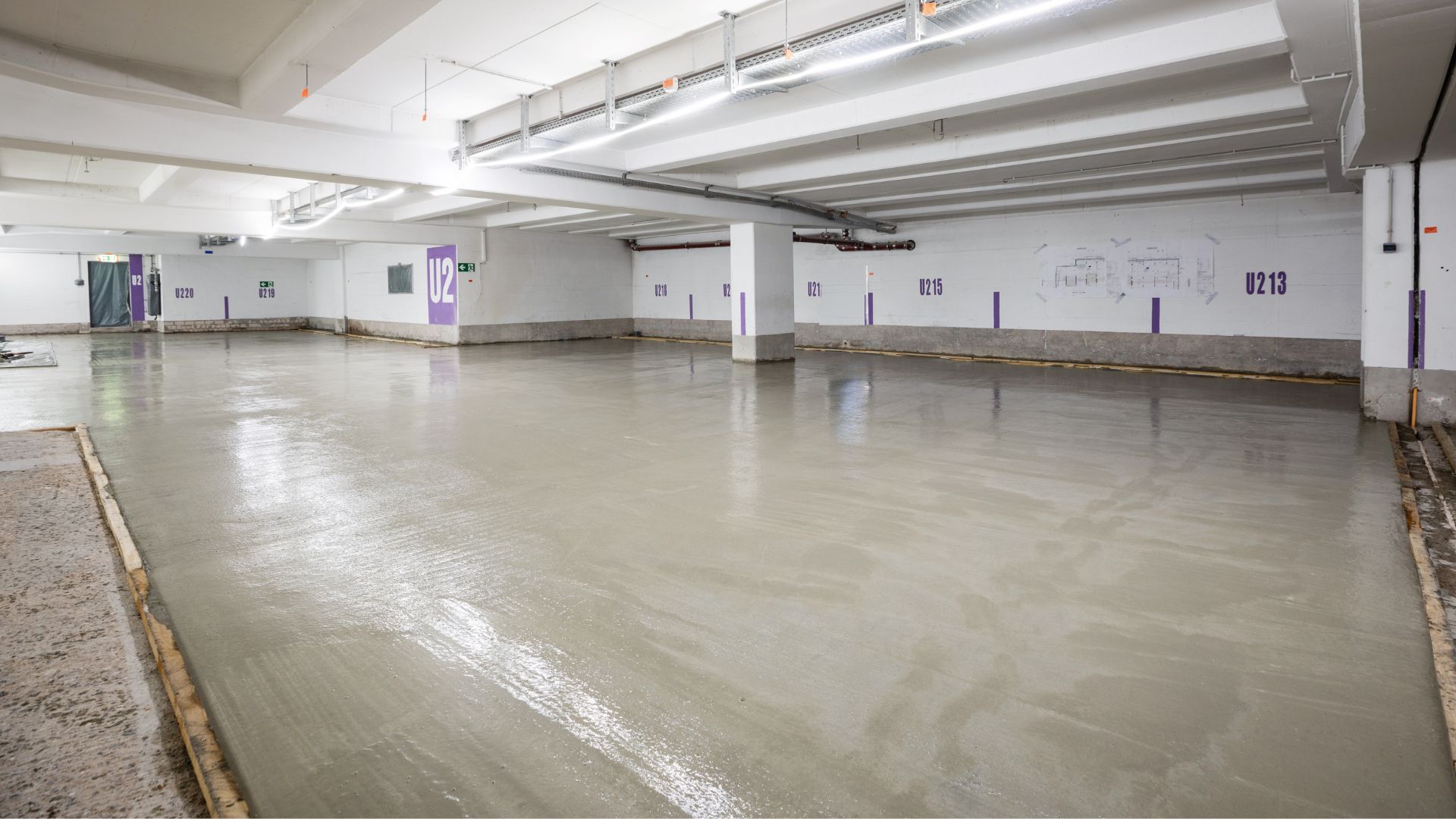
When carrying out concrete repairs in multi-storey car parks and underground garages, it is essential to use high-performance, coordinated system solutions. For large-area floor surface repairs, weber.floor 4640 Outdoor RepFlow, a concrete repair mortar, which has been specifically developed for this application, is an ideal solution.
The pumpable concrete repair mortar enables large areas to be refurbished efficiently and provides excellent resistance to frost and de-icing salts. At the same time, it provides a level, load-bearing surface for subsequent work and ensures the reliable protection of previously exposed reinforcement.
Repair mortars and corrosion protection products such as weber.rep duo are used for localised repair work on walls and ceilings. In combination with this, weber.tec 945 provides structural crack repair while ensuring reliable waterproof sealing.
Once the concrete has been repaired, it is crucial to apply a surface protection system to ensure the structure's long-term durability. Modern surface protection systems and floor coatings for multi-storey car parks offer protection against the following:
moisture ingress
chloride attack
mechanical wear and traffic loads
One example is the weber.tec Superflex OS 5b system, a crack‑bridging coating that combines surface protection and waterproofing in a single solution.
A mineral floor coating such as weber.floor 4610 is suitable for heavily loaded areas, while systems such as weber.tec 771 and weber.tec 772 are ideal for protecting vertical surfaces.
Waterproofing in car parks: protection against moisture and harmful substances
In addition to providing surface protection, waterproofing is also a key part of car park refurbishment.
Systems such as PREPRUFE® Frischbetonverbundfolie by GCP provide long-term protection against water ingress and harmful substances, whether for the refurbishment of an existing structure or the construction of a new multi-storey car park or underground garage. Within the Saint-Gobain portfolio, Weber complements this with weber.tec Superflex D 24, a high-performance waterproofing solution for below-ground structural elements.
Combining these systems prevents moisture from penetrating the structure in the long term.
Ceiling insulation in underground garages: enhanced protection and comfort
The insulation of underground garage ceilings is often overlooked in refurbishment projects.
Short construction periods and minimal downtime are essential for car park operators.
Modern systems and optimised logistics can significantly reduce project times:
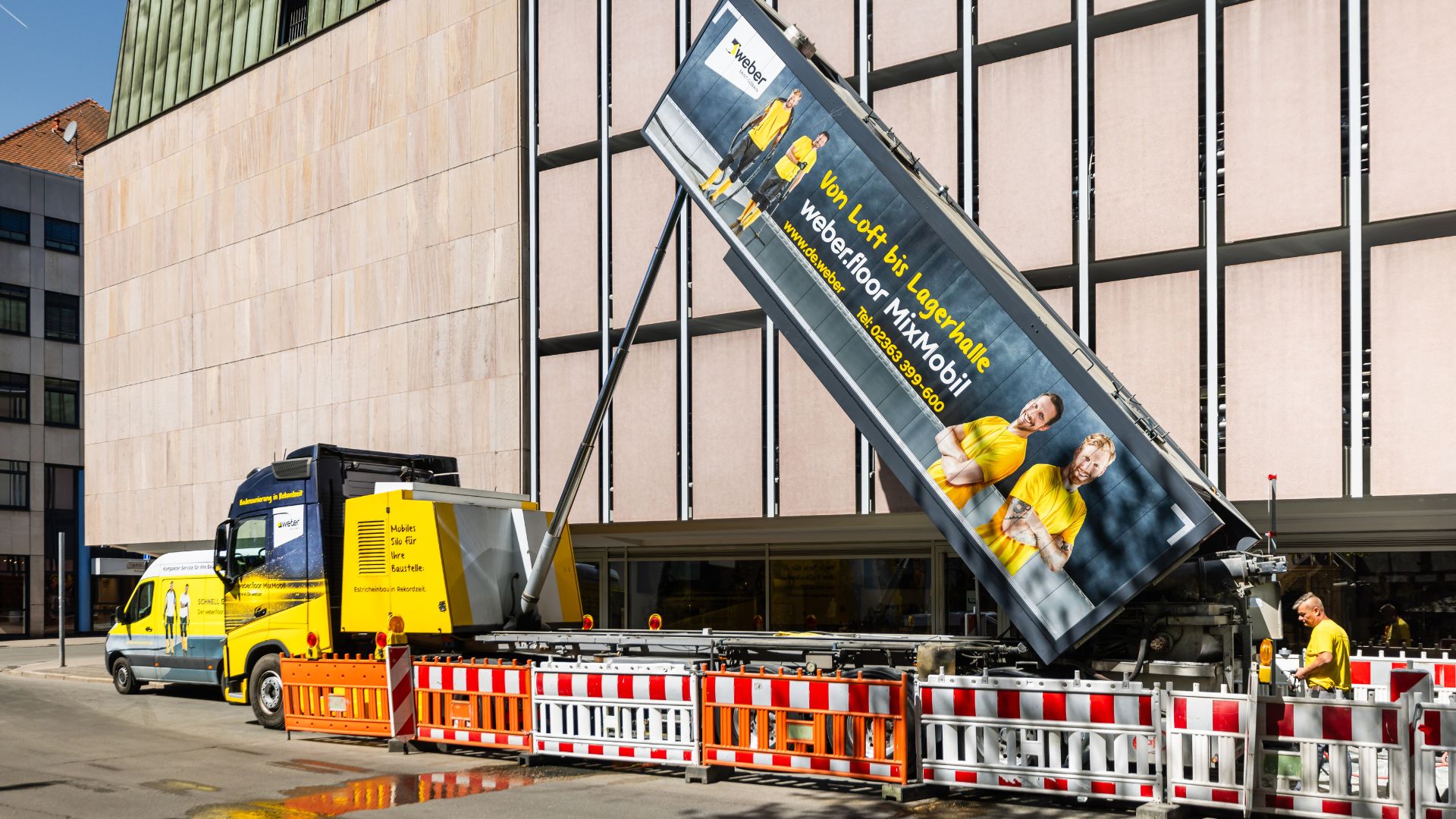
pumpable materials enable high area outputs
equipment such as the weber.floor MixMobil and PumpTruck ensures efficient application
reduced labour requirements and faster workflows
As a result, parking areas can be returned to service more quickly, delivering significant economic benefits.
Conclusion: car park refurbishment only works as a system
A durable car park refurbishment requires different measures to be coordinated. These include:
concrete repair
surface protection systems
waterproofing
crack repair
additional measures such as insulation
The greatest added value is achieved when allsystem components work together seamlessly. This ensures permanent repair of concrete damage, extension of the structure's service life, and significant reduction of project times.
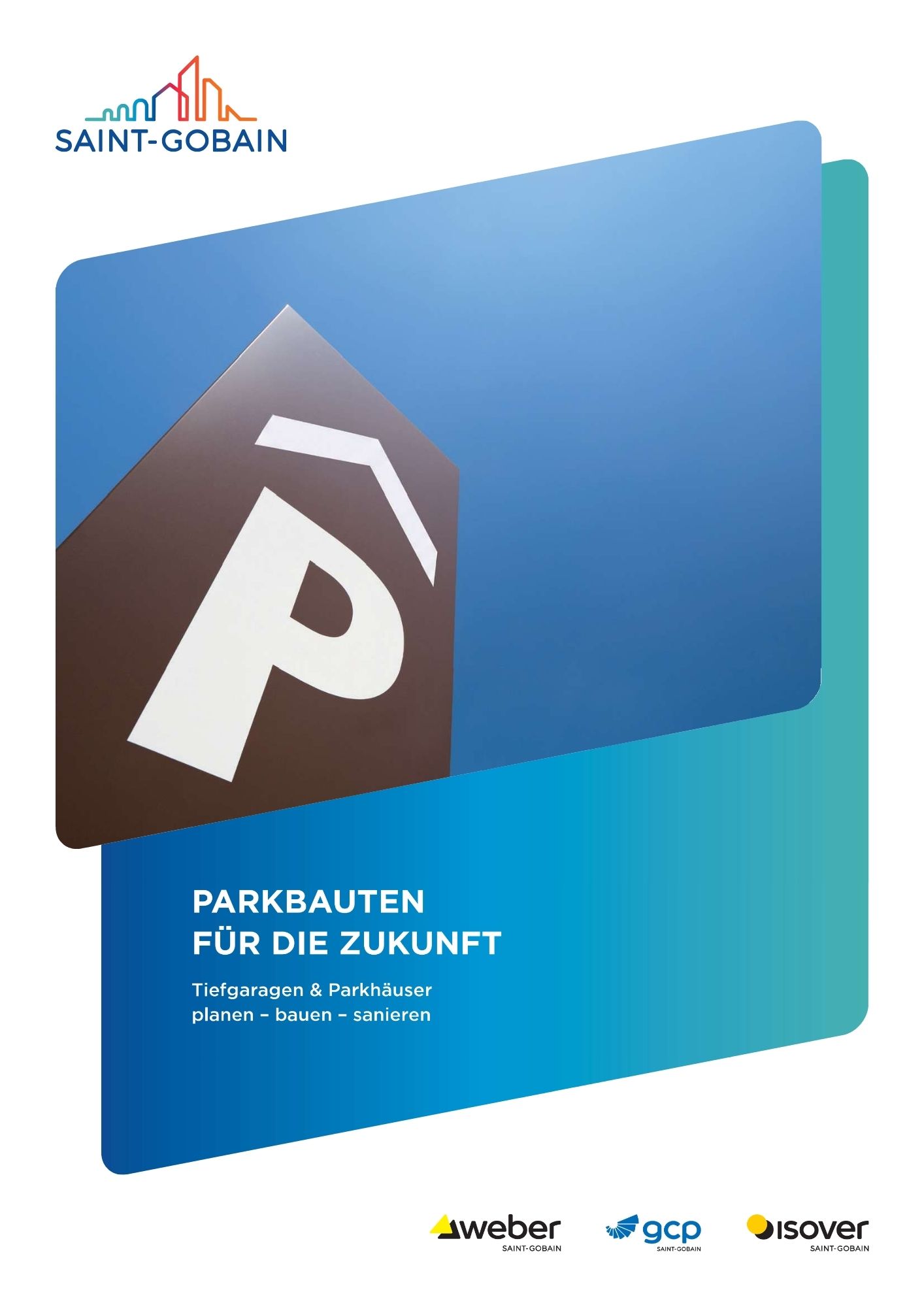
The new 20-page brochure, "Parking structures for the future – planning, building and refurbishing underground garages and multi-storey car parks", provides a complete overview of all available products and systems for the refurbishment of parking structures.