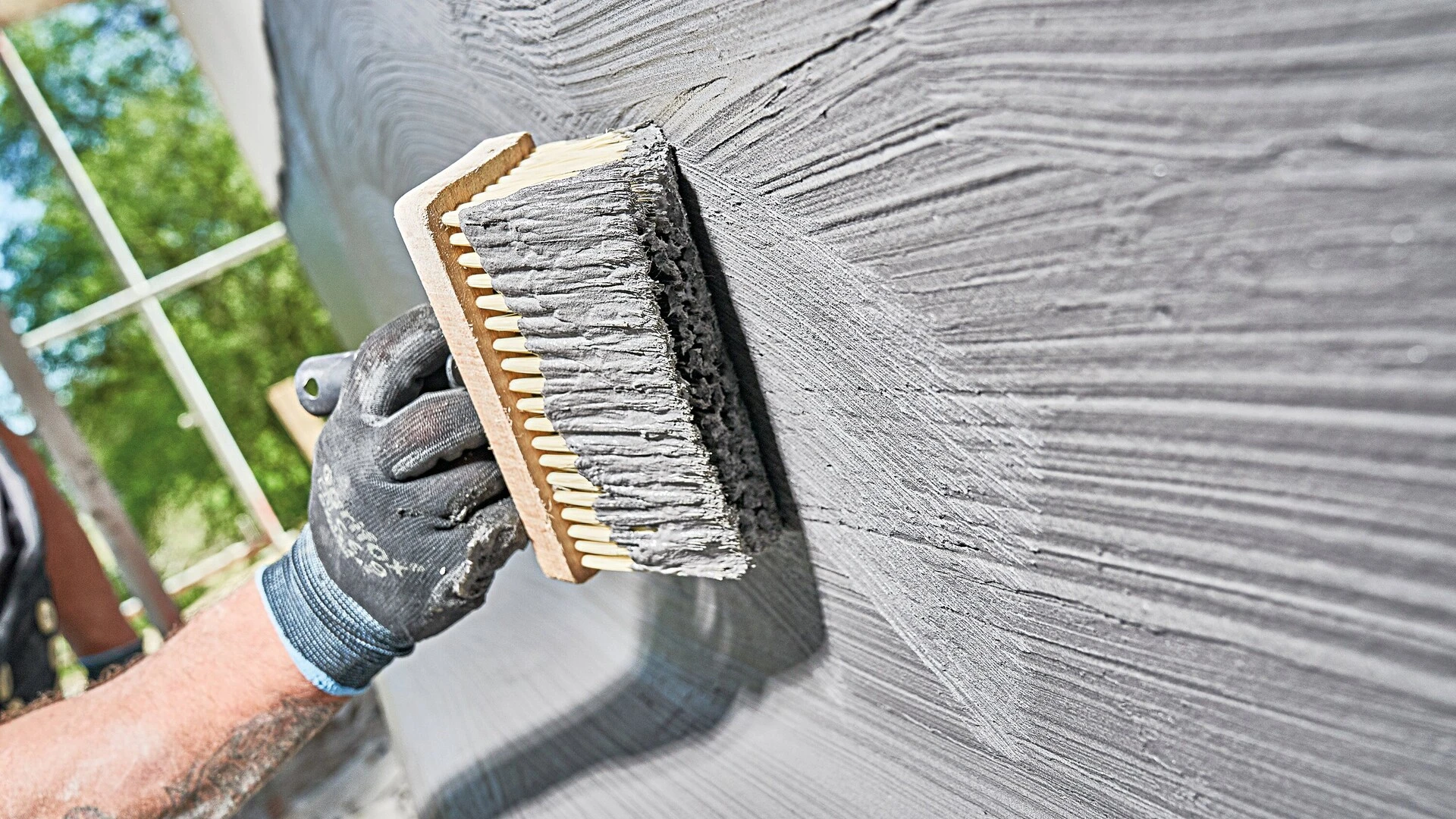
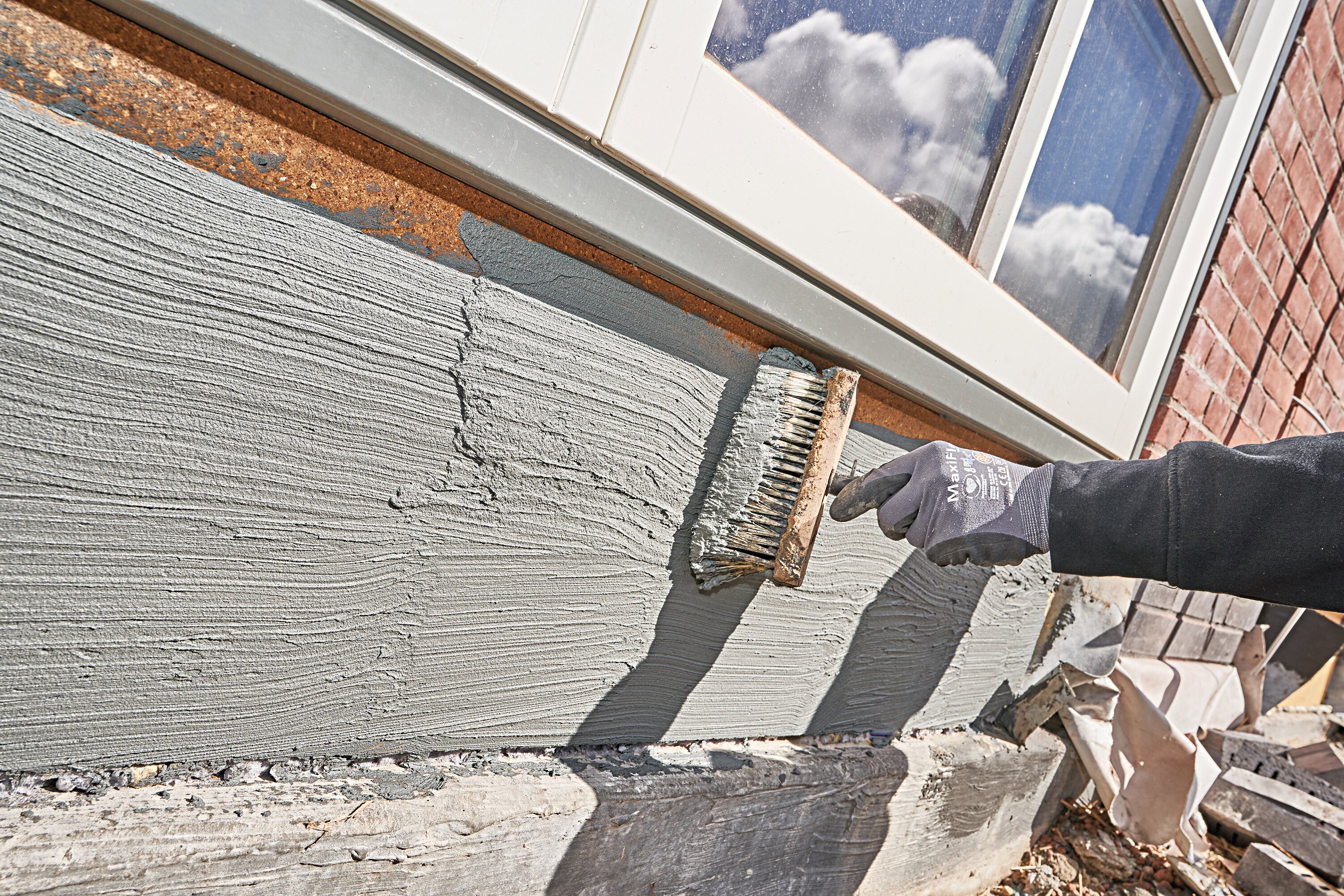
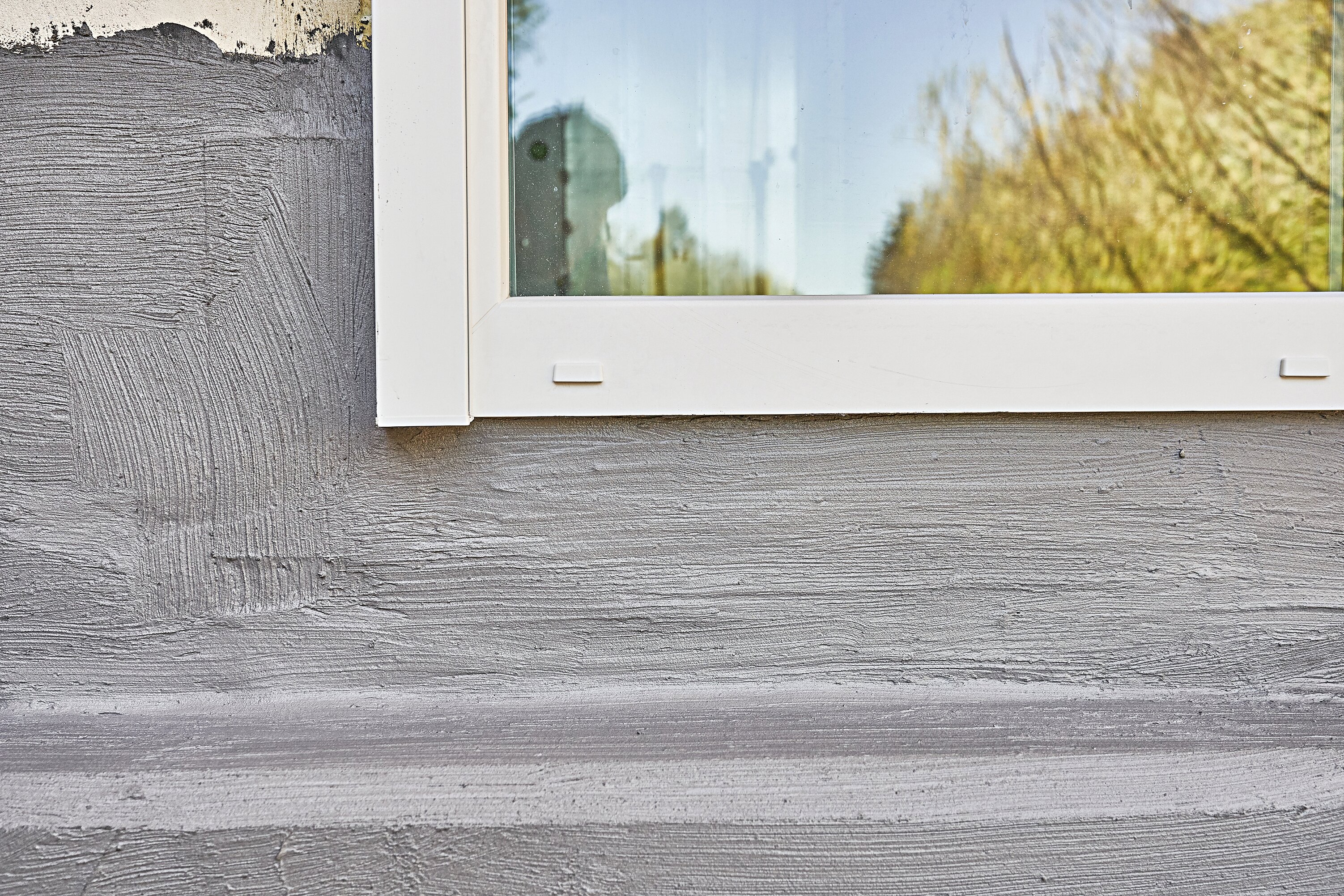
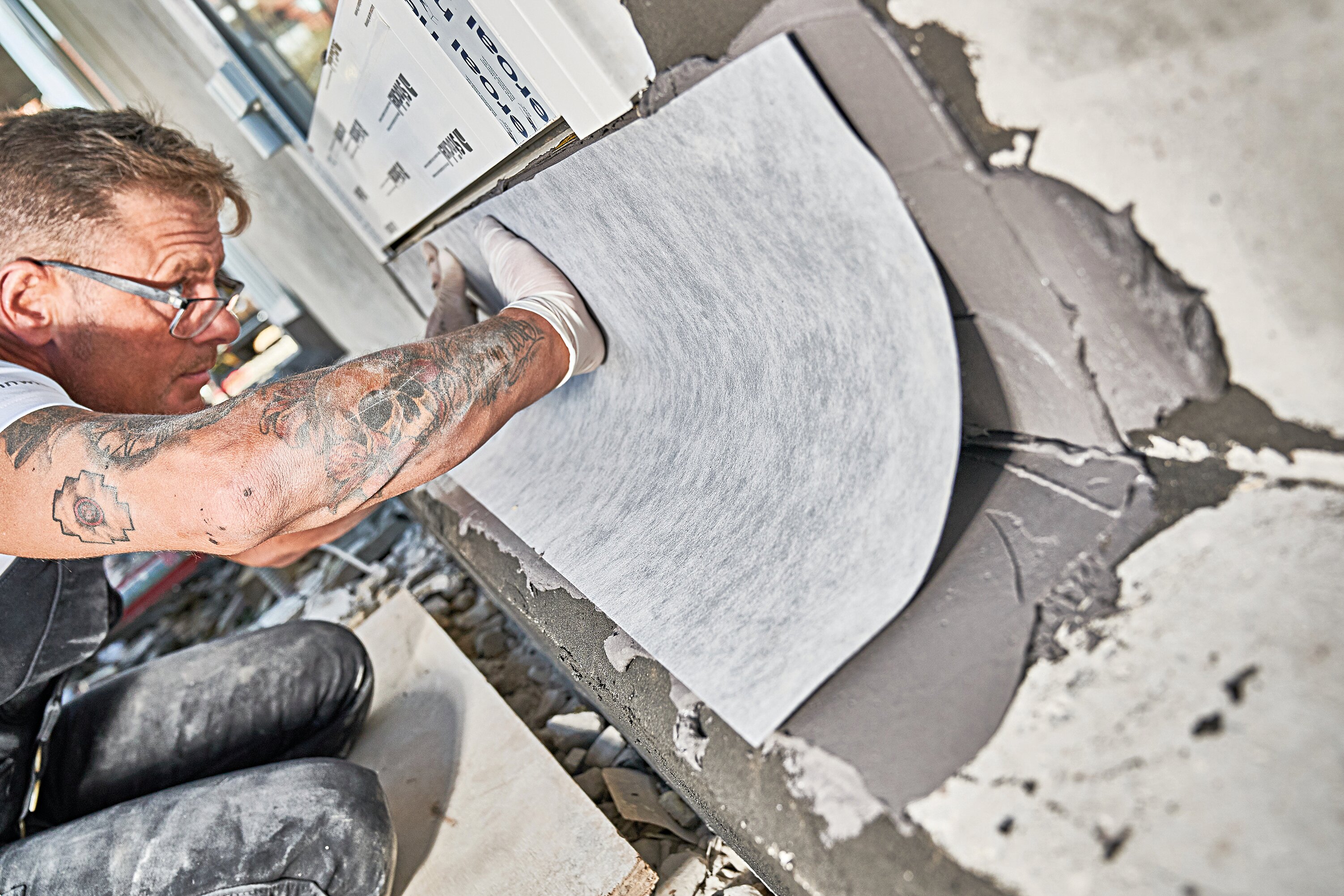
Waterproofing of socket areas in accordance with DIN 18533: preventing moisture damage to masonry.
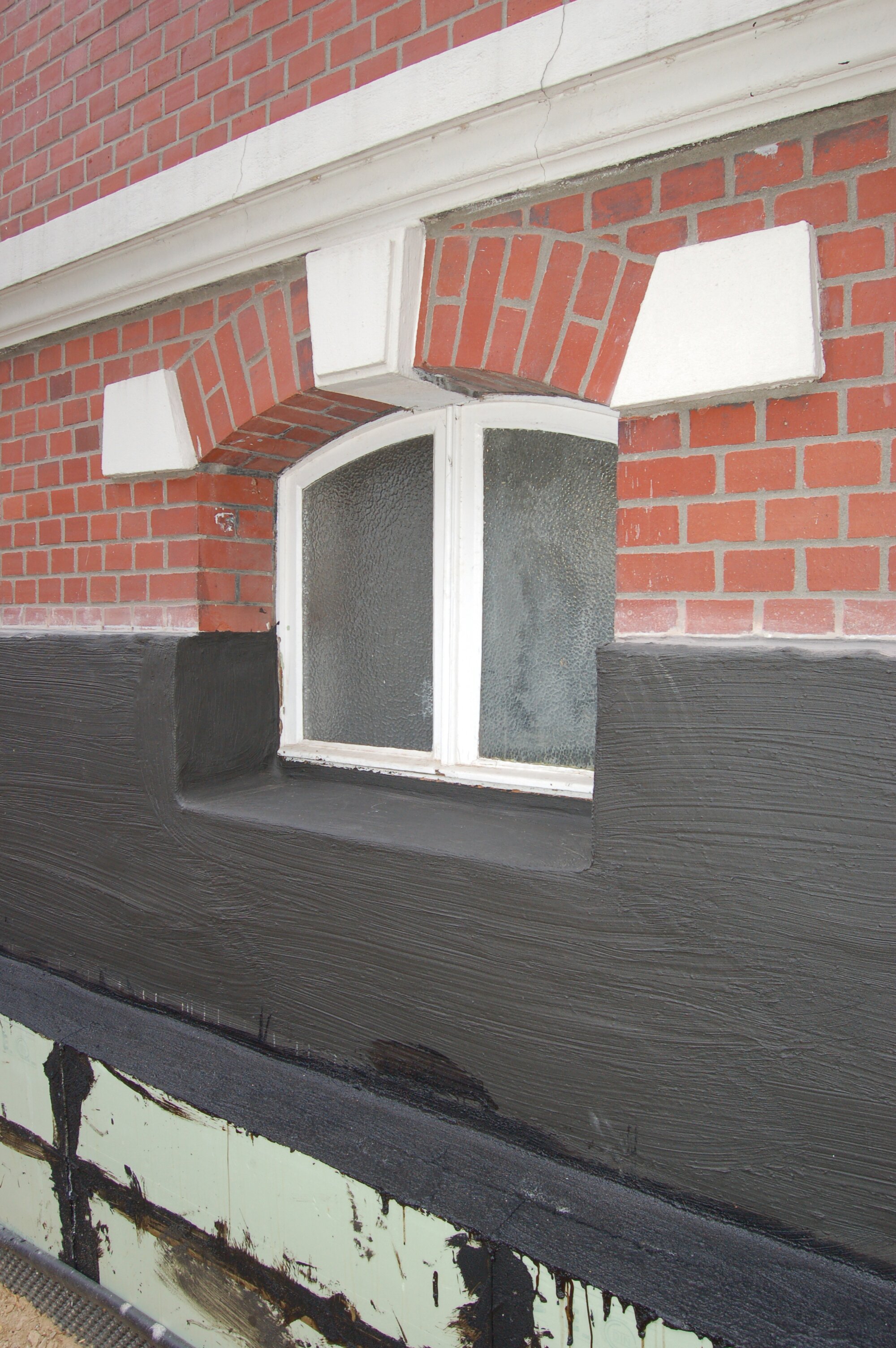
The risk of moisture damage to the socket areas increases, particularly in autumn, where the façade meets the ground. Reliable waterproofing of these areas protects the masonry from moisture penetration and rising damp in this critical zone.
This article explains how to waterproof the socket areas properly, details the sealing requirements according to DIN 18533 and outlines system solutions that provide long-term protection.
The building structure in the socket area is directly affected by moisture, frost and de-icing salts. Without proper waterproofing, serious damage can occur, including flaking plaster, cracks and rising damp.
These issues lead to heat loss and damp exterior walls, and, in the worst case, mould growth. The junction between the façade and the ground is particularly vulnerable as this is where splash water, ground moisture and freeze-thaw cycles converge.
Therefore, regular inspection of the socket waterproofing is essential.
DIN 18533 sets out the requirements for waterproofing building components in contact with the ground, including the specific requirements for waterproofing the area around sockets in masonry. In this context, load case W4-E ("splash water and ground moisture at the wall socket area") is particularly relevant.
The standard requires:
permanently watertight waterproofing;
overlapping between façade waterproofing and structural waterproofing;
and precise coordination at the interface between ETICS (external thermal insulation composite systems), perimeter insulation and waterproofing.
Only a well-integrated system can reliably prevent thermal bridges and moisture ingress.
The correct waterproofing system must be chosen according to the load and substrate type. For socket areas, the following is recommended:
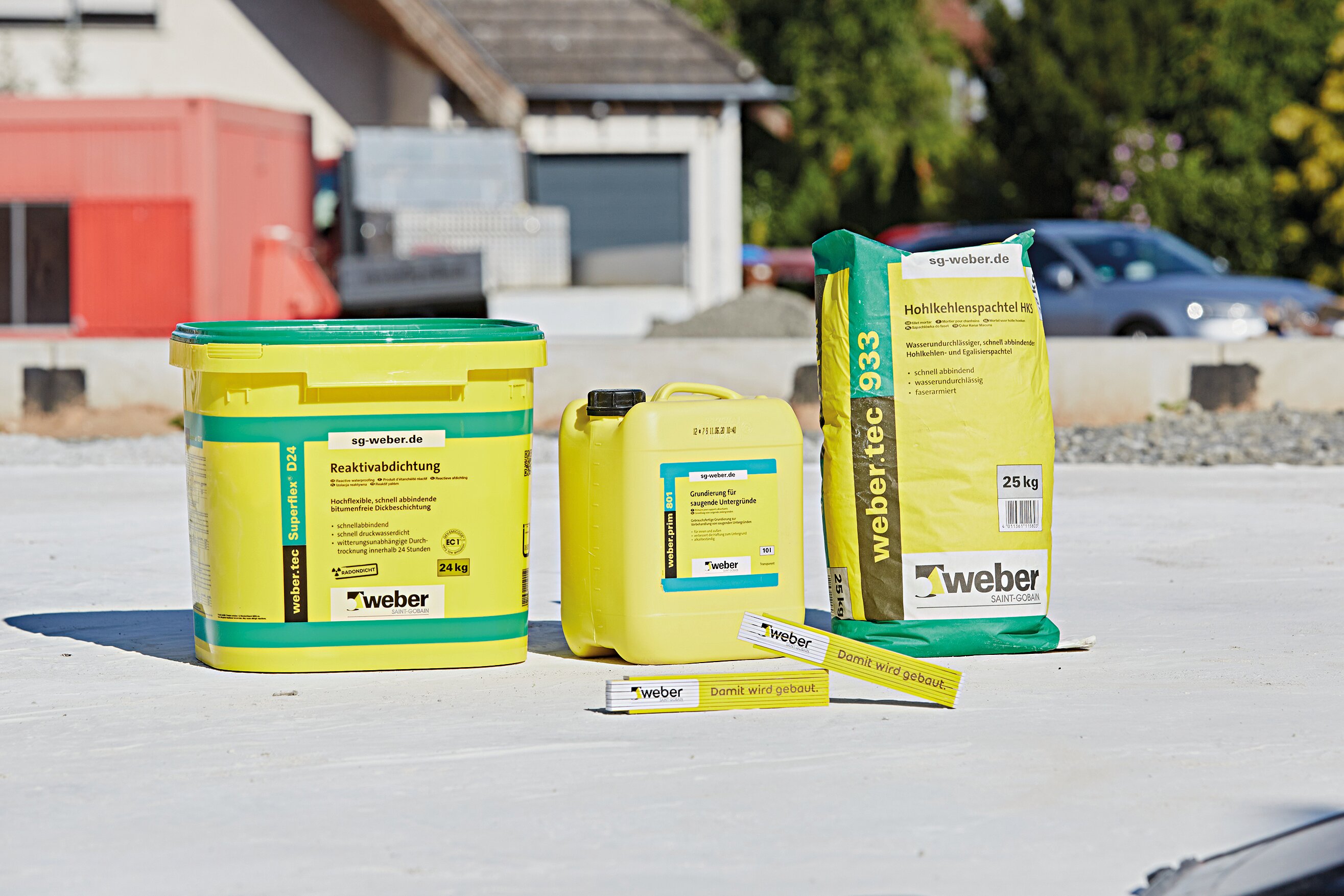
Reactive waterproofing for masonry or concrete.
Mineral sealing slurry for the upper socket area.
Coordinated insulation with compatible socket profiles.
If in doubt, seek professional advice to help prevent moisture damage and ensure your building is energy efficient.
Conclusion
Waterproofing socket areas in accordance with DIN 18533 protects the building structure, prevents heat loss and improves overall energy efficiency. With system solutions from Saint-Gobain Weber, professionals, planners and experts can benefit from a time-saving application process and high reliability.
Are you planning a renovation or new construction project? We can support you with proven, practical solutions and expert technical advice.