Construction chemicals: invisible yet indispensable for new builds and renovation
Construction chemicals are rarely visible, yet they are always decisive. Durable results cannot be achieved without well-designed basement waterproofing, professional substrate preparation or the right primer for tiling, whether for new build projects or refurbishment of existing buildings. In particular, for refurbishment projects, the correct system solution is crucial for long-term reliability. Construction chemicals from Saint-Gobain Weber provide planning reliability from the outset. In this article, we explain why construction chemicals are indispensable and demonstrate how well-designed Weber systems can enhance safety and efficiency on your construction site.
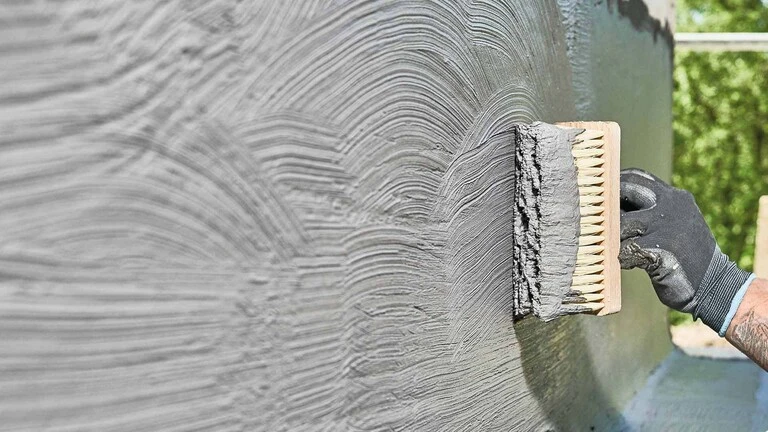
Moisture-affected basements are one of the most common types of damage to existing buildings. Internal basement waterproofing requires a comprehensive approach that goes beyond individual product solutions. It is essential to take a structured, systematic approach to basement waterproofing using coordinated components.
Typical challenges include:
pressurised and non‑pressurised water
salt efflorescence on masonry surfaces
cracking in concrete structures
absent or defective external waterproofing systems
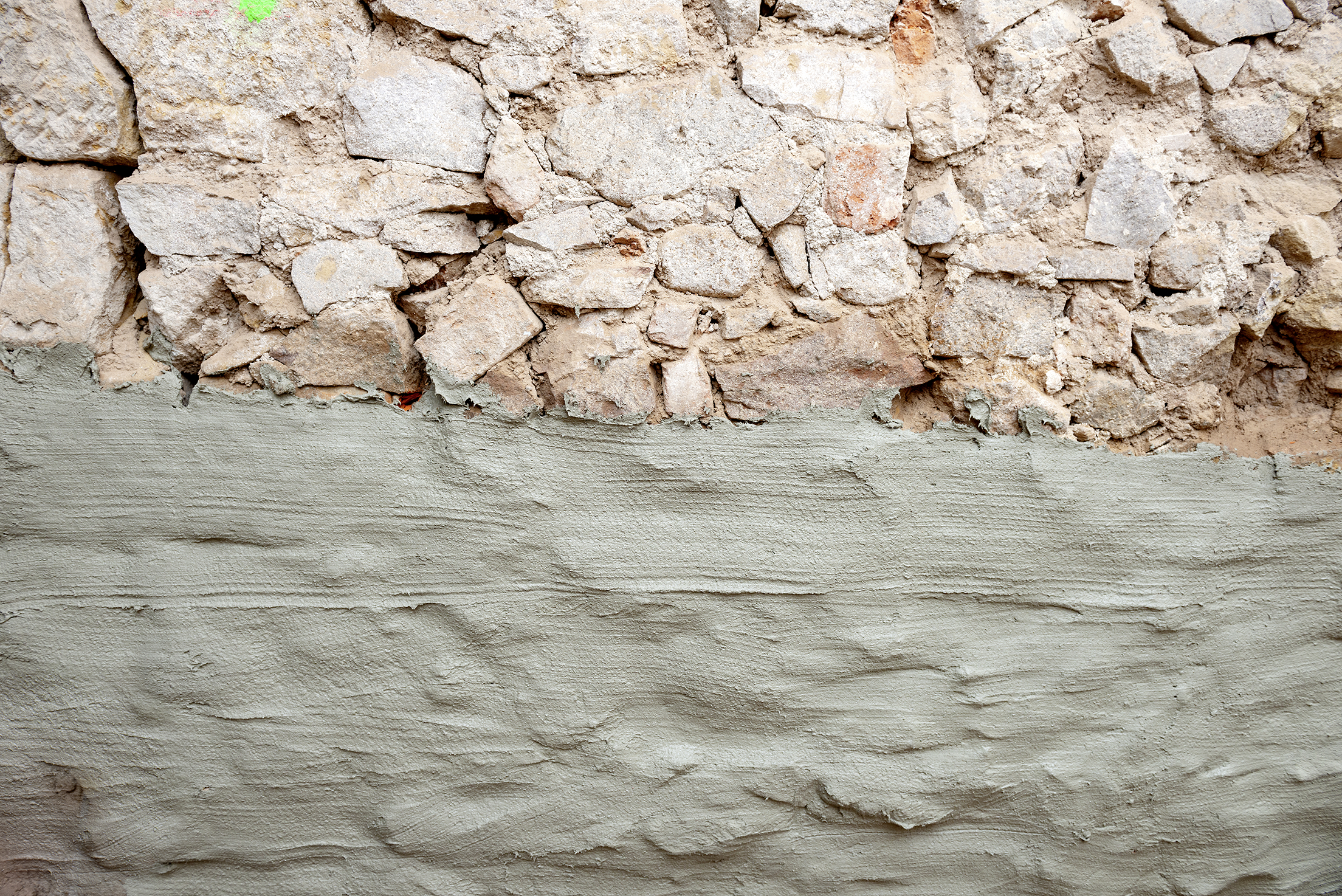
Today, modern construction chemicals offer a wide range of high-performance solutions for the long-term protection and repair of buildings. These include mineral sealing slurries, which are ideal for waterproofing masonry and concrete, as well as flexible waterproofing systems designed for components in contact with the ground and capable of accommodating substrate movement. These technologies are complemented by renovation plaster systems that help to regulate moisture, making them a key element in the sustainable refurbishment of damp or salt-contaminated walls. Saint-Gobain Weber takes an integrated systems approach to construction chemicals: in the field of concrete repair, for instance, modern solutions such as the Weber PCC concrete repair system facilitate professional repairs and the long-term preservation of damaged structural components.
Especially in the refurbishment of existing buildings, internal waterproofing is often the most cost-effective solution and, at the same time, the most technically sound approach. System solutions such as the Saint‑Gobain Weber interior basement renovation system offer a high level of application reliability, as all components are optimally coordinated with one another, thereby minimising interface issues. The result is durable, efficient and practice‑oriented refurbishment outcomes.
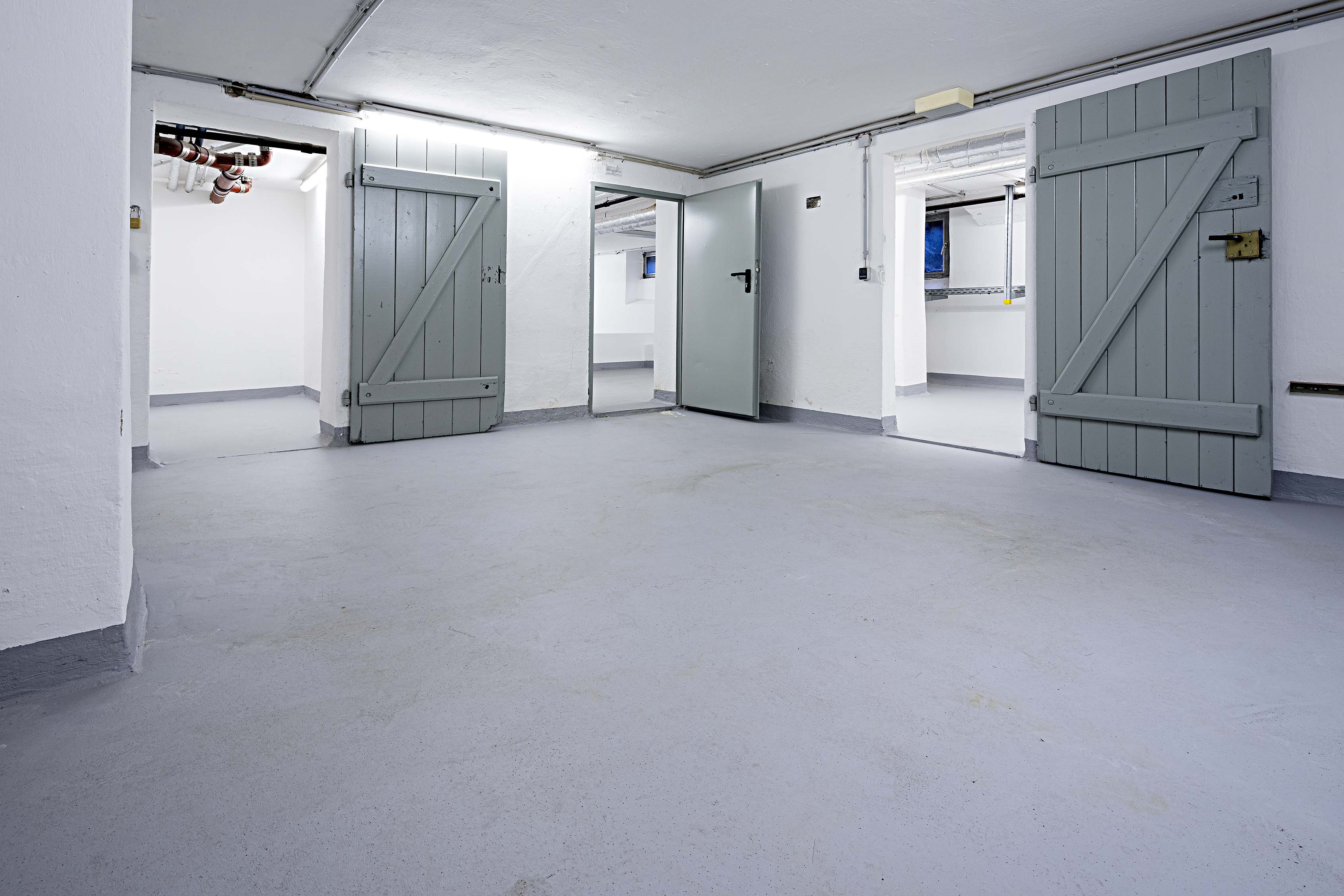
A case study (Chapter 6) provides a practical example of this in the form of the damp remediation of the evidence room in the historic building of the Delmenhorst police station. Using the Weber basement renovation system, waterproofing and floor levelling were achieved in a single step – saving up to 70% of the time compared to conventional methods.
Before any floor covering is installed, meticulous substrate preparation determines the performance and service life of the complete flooring system. Mistakes at this stage are one of the most frequent reasons for later defects, including voids, cracking and inadequate bond strength.
A substrate prepared for tiling must always be load-bearing, levelled, clean and sufficiently dry. Only then can the subsequent layers perform reliably.
The following are particularly important for achieving a durable result:
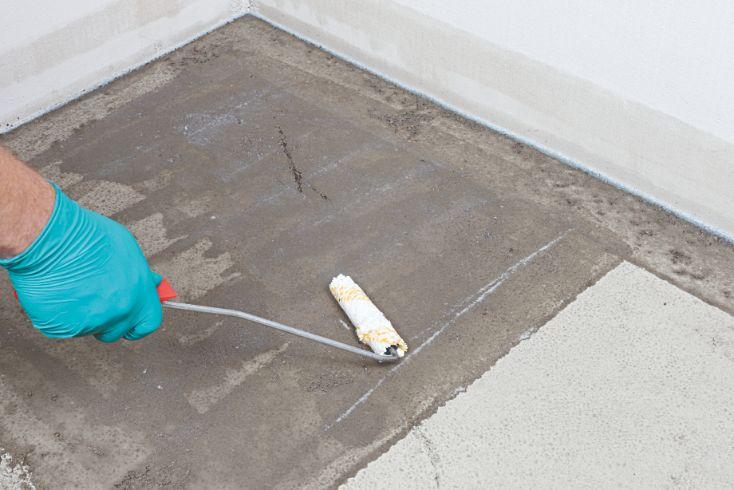
properly priming the levelling compound before installing tiles
selecting a primer that is suitable for both the tile and the substrate
checking the residual moisture present in the substrate
taking the absorbency of the substrate into account
Failure to prime a levelling compound can lead to significant adhesion problems. Using the correct primer ensures reliable adhesion between the substrate and covering, which is crucial for preventing defects and subsequent claims.
In short: careful preparation of the substrate is essential for ensuring a durable, damage-free and professional tile installation.
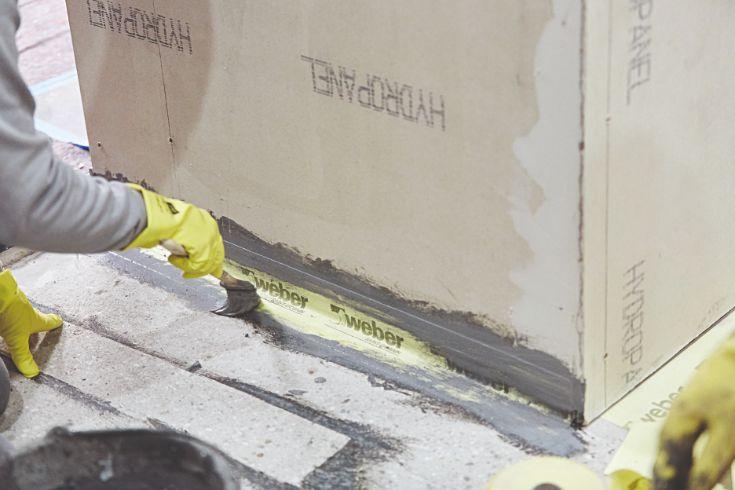
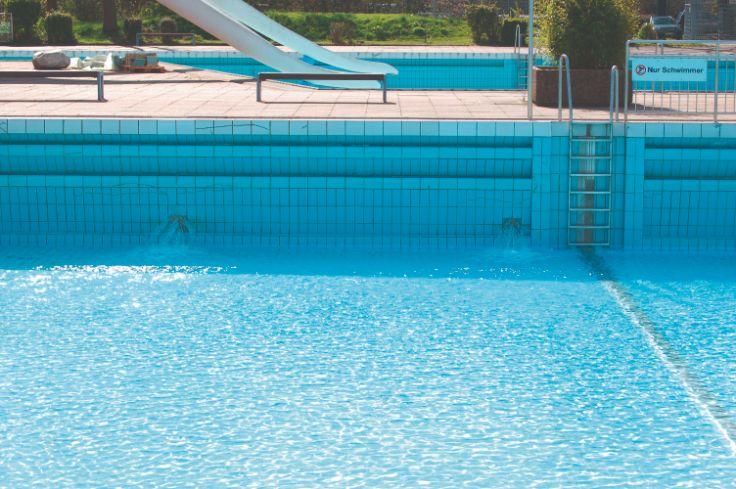
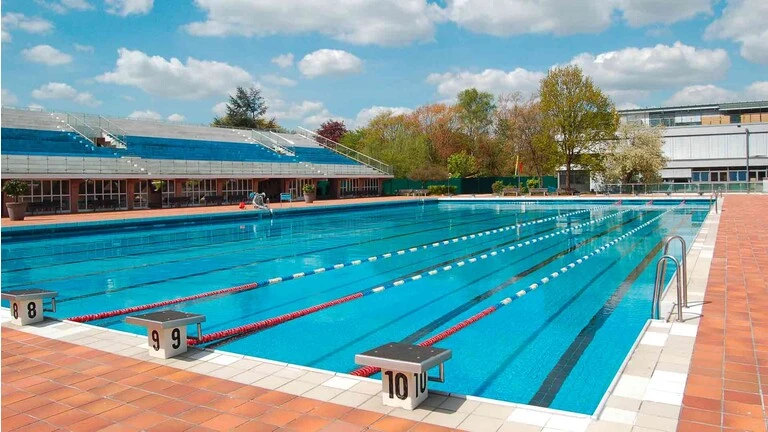
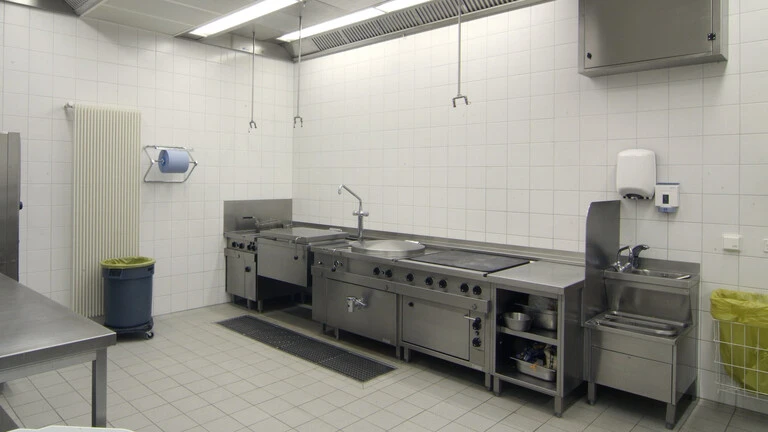
Construction chemicals play a central role in wet areas such as bathrooms, swimming pools and commercial kitchens. In such environments, composite waterproofing systems are a key factor in determining the durability and operational reliability of the entire construction. Moisture ingress, temperature fluctuations and high mechanical loads place particularly demanding requirements on both materials and their application. Only products that are precisely coordinated with each other can provide long-term protection and help prevent consequential damage.
Waterproofing and installation systems for swimming pools – designed for permanent water exposure
Waterproofing systems for commercial kitchens – chemically resistant, slip-resistant and easy to clean
Balcony renovation – flexible, crack‑bridging and weather‑resistant
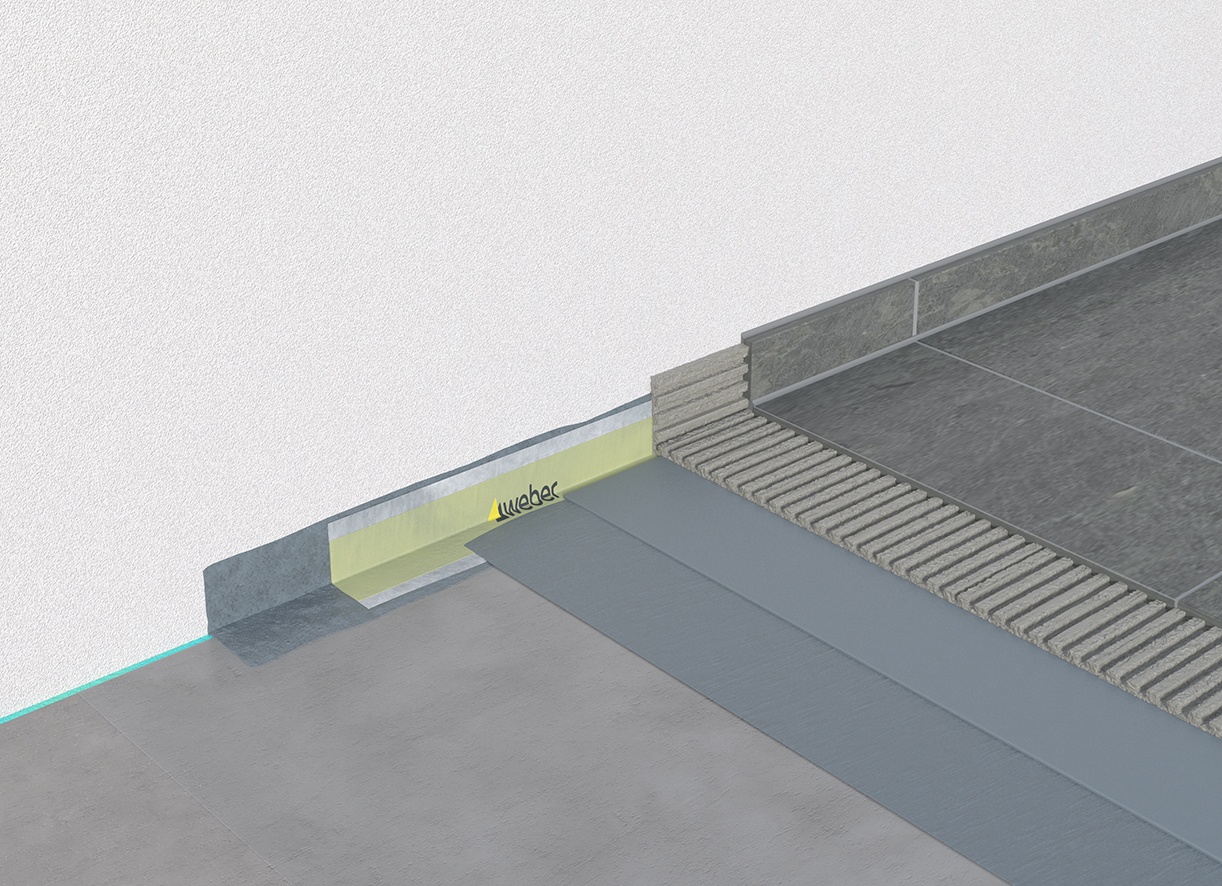
System solutions ensure that waterproofing materials, adhesives, grouts and accessories are optimally coordinated with one another. This significantly increases the reliability of applications and simplifies the entire planning process. At the same time, the number of joints is minimised – a key advantage when it comes to achieving permanently watertight constructions in wet areas.
Renovating existing buildings is one of the most important areas of the construction industry in the future. Digital technical data sheets, clearly defined system builds and coordinated construction chemicals help to achieve the following:
shorter construction times
reduced sources of error
greater sustainability through long-lasting solutions
Therefore, construction chemicals are a key factor in achieving cost-effective, efficient and sustainable construction.
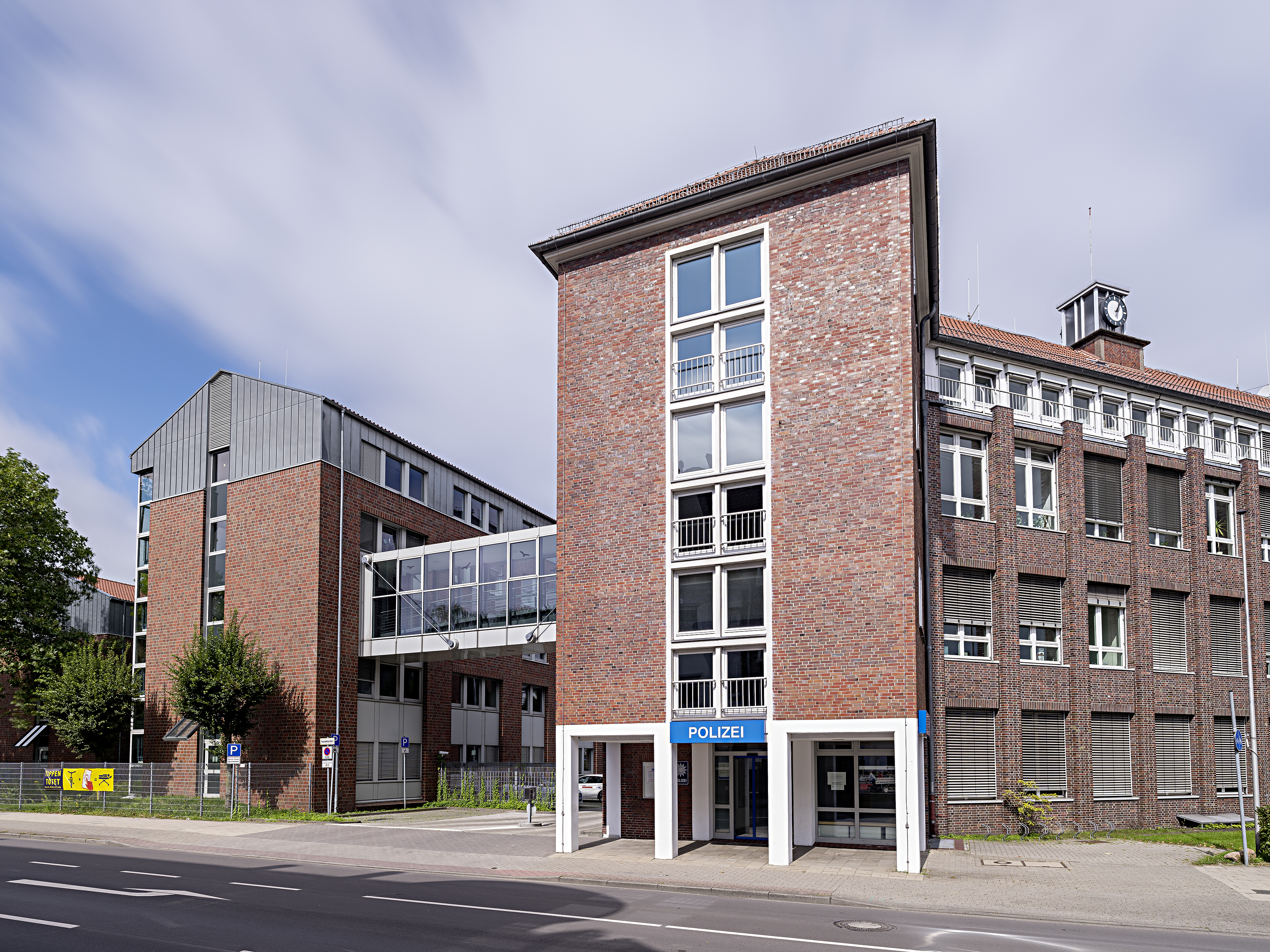
The renovation of the evidence storage facility at Delmenhorst Police Station is a particularly illustrative example of the successful use of construction chemicals. The historic brick building, which dates back to 1856, required a quick and effective solution to protect the basement areas – used for storing evidence and archived documents – against moisture.
The contractor opted for the Weberinterior basement renovation system that allows both waterproofing and levelling of the floor to be carried out in a single step – using the self-levelling, waterproofing floor compound weber.tec 932. This meant that the renovation work could be completed in just one day – representing a significant time saving of around 70% compared to conventional methods.
The result: a permanently dry, safe and immediately usable basement floor – a good example of how well-designed construction chemical systems minimise renovation costs and provide long-term security.
Advantages of the Weber system solutions
safe and clean installation
reduced installation steps and faster project completion
minimised risk of errors
high application safety and reliability
perfectly matched, system‑compatible products
Are you planning a renovation or a new build? With coordinated construction chemical systems, you can create durable and safe solutions. Get in touch with us.